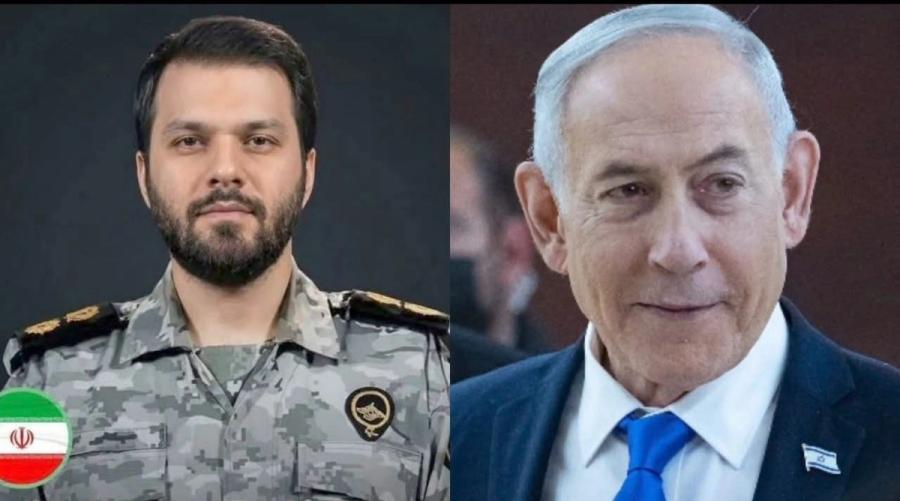
Monday, June 8, 2026 (Baidoa Online) — The conflict between Israel and Iran has entered a dangerous new phase, with both sides exchanging devastating strikes in the early hours of Monday morning in what analysts are calling the most serious crossfire since a fragile ceasefire was reached on April 8. The escalation, which now draws in Yemen's Houthis and threatens Red Sea shipping lanes, has pushed the region to the edge of full-scale regional war.
Israel Strikes Deep Inside Iran
In a major overnight operation, the Israeli military launched air-launched ballistic missiles targeting multiple cities across central and western Iran. Iranian state television confirmed explosions were heard in Tehran, Tabriz, Isfahan and Karaj, though officials initially offered no details on what was struck or the extent of damage. A witness in Tehran described hearing at least one large blast to the west of the capital. Iran's paramilitary Revolutionary Guard confirmed Israel used air-launched ballistic missiles in the attack. Reports from semiofficial Iranian news agencies Fars and Mehr indicated that Israeli strikes hit a petrochemical factory in Mahshahr in the southwestern Khuzestan province. Iran responded by closing airspace around Tehran's Imam Khomeini International Airport after the strikes.
Iran Retaliates with Fresh Missile Waves
Iran responded swiftly, launching further waves of missiles toward Israel. Explosions were heard across central Israel as air defence systems worked to intercept the incoming fire. Missile sirens sounded not only across Israel but also in neighbouring Jordan, highlighting how the conflict is spilling beyond its two main belligerents. The exchange marks the most intense crossfire between the two countries since the ceasefire period began in April, a period during which violations had been mounting on both sides before Sunday's Beirut strikes by Israel shattered what little restraint remained.
Yemen's Houthis Declare Total Ban on Israeli Ships in Red Sea
Yemen's Houthis announced a missile attack on Israel on Monday and declared a total ban on Israeli shipping in the Red Sea, barring any vessel headed toward Israeli ports from passing through the waterway. The group's spokesman stated the decision was made in solidarity with the Palestinian people, Lebanon and Iran, and that they would work to make the ban fully enforceable. The announcement marks the beginning of a serious new chapter in the global economic disruption caused by this war. The Strait of Hormuz, already severely disrupted by Iran's stranglehold on vessels passing through it, now faces a parallel closure at the Red Sea end. Saudi Arabia had been relying on its East-West Pipeline to export oil through the Red Sea as an alternative to Hormuz. Yemen's Houthis threatening both that route and all Israeli-linked shipping simultaneously risks shutting down both of the region's critical oil export corridors at once, a scenario with catastrophic consequences for global energy supply.
In a further sign of the widening conflict, missile alert sirens sounded in Saudi Arabia's Al Kharj governorate, home to Prince Sultan Air Base, which hosts US forces. Saudi state media reported the alert but said the missile danger passed shortly after, without elaborating on the source of the threat.
Trump Urges Restraint as Diplomacy Collapses
US President Donald Trump, who launched the war alongside Israel on February 28 with strikes that killed Iranian Supreme Leader Ayatollah Ali Khamenei, urged restraint following the latest exchange. Sources previously cited by US media indicated Trump was angered by Israel's decision to strike Beirut's Dahieh district on Sunday, viewing it as a threat to ongoing US-Iran negotiations. However, Israel pressed ahead regardless, and the consequences have been swift. The diplomatic track that had appeared to offer a slim path toward a permanent ceasefire now appears severely damaged.
A War with Global Consequences
The conflict, now in its 101st day, began on February 28, 2026, when joint US-Israeli strikes killed Iran's Supreme Leader and other senior officials, triggering a war that has drawn in Hezbollah in Lebanon, Yemen's Houthis, and proxy forces across Iraq and the Gulf. The April 8 ceasefire was never fully implemented, with both sides repeatedly violating its terms before Sunday's Beirut strike by Israel brought the fragile arrangement to a breaking point.
The economic consequences continue to worsen. Oil prices have surged to multi-year highs as the Strait of Hormuz remains severely disrupted. The threatened Houthi blockade of the Red Sea would shut down a second critical artery for global trade, compounding an already severe energy and shipping crisis. Food commodity prices have risen sharply across the developing world, with countries in the Horn of Africa, South Asia and Sub-Saharan Africa facing the sharpest increases in fuel and food costs.
Analysts warn that without immediate de-escalation, the region risks sliding into a wider war that no party appears fully prepared for but none seems willing to prevent. The next hours and days will be critical.
Baidoa Online is monitoring the situation and will provide further updates as they become available.