Friday , June 19, 2026 (Baidoa Online) -Lawmaker urges elders, religious leaders, and authorities to lead peace efforts as violence continues to affect civilians in Hiiraan region
A member of Somalia’s Federal Parliament has called for the immediate cessation of ongoing clan fighting in Jalalaqsi district of the Hiiraan region, warning that the conflict is causing displacement, insecurity, and suffering among local communities.
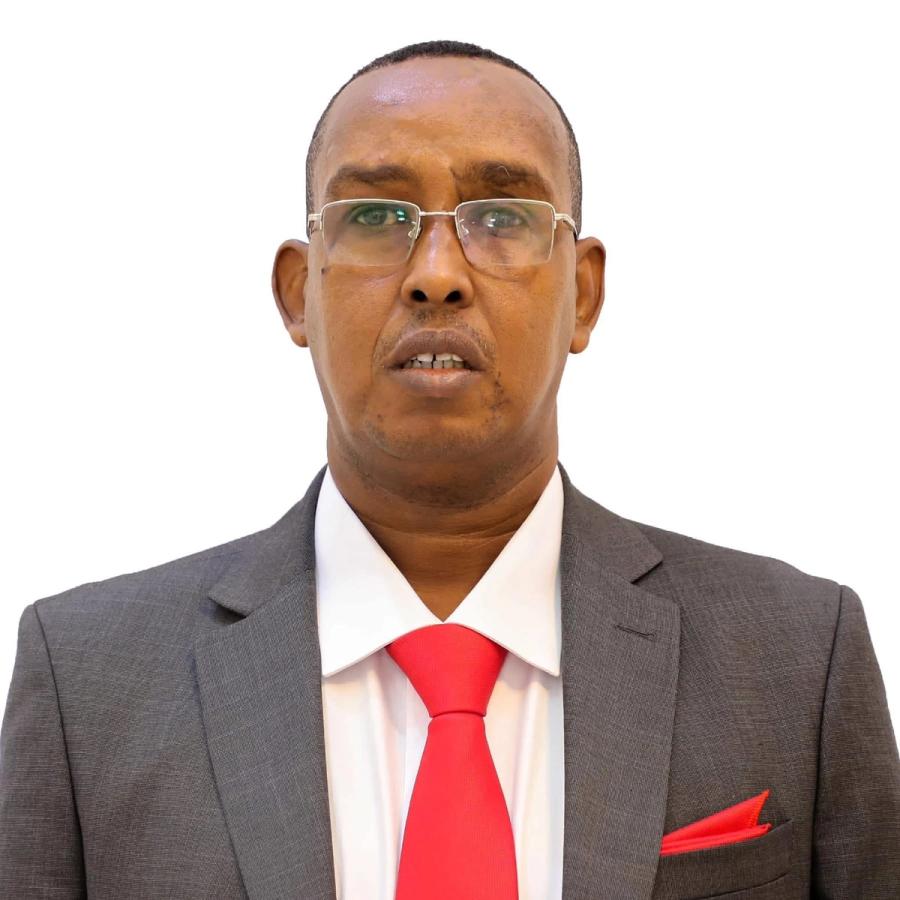
MP Mohamed Ibrahim Macalimo issued the appeal amid growing concern over the impact of the violence on civilians, as reports from local residents and community leaders indicate that the clashes have disrupted daily life and forced families to flee affected areas.
The lawmaker strongly condemned all forms of violence and inflammatory rhetoric that could further fuel tensions, emphasizing the need for dialogue and reconciliation to restore peace and stability in the district.
“Peace is the only path to safeguarding the people and future of Jalalaqsi,” the MP said in a statement, urging all parties involved in the conflict to prioritize peaceful solutions.
Calls for Community-Led Peace Efforts
According to the statement, MP Macalimo appealed to all parties involved in the conflict, including traditional elders, religious scholars, local authorities, and members of the wider community, to take a leading role in efforts aimed at ending the violence.
He stressed the importance of halting actions and statements that could escalate tensions, arguing that sustainable peace can only be achieved through genuine dialogue and reconciliation among the conflicting sides.
The appeal comes as concerns continue to mount over the humanitarian consequences of the fighting, with residents reporting disruptions to movement, economic activity, and access to basic services in some parts of the district.
Community leaders have increasingly voiced concern that prolonged conflict could deepen divisions and create additional challenges for local peacebuilding initiatives.
Civilian Impact and Humanitarian Concerns
The ongoing fighting has generated anxiety among residents, particularly families living in affected areas. According to local sources, some civilians have reportedly fled their homes to seek safety, while others remain concerned about the possibility of further violence.
Humanitarian observers note that prolonged insecurity often places additional pressure on already vulnerable communities by disrupting trade, education, healthcare services, and access to humanitarian assistance.
In regions affected by recurring clan disputes, displacement can also contribute to economic hardship and increase the need for emergency support for affected families.
While the full scale of displacement and damage resulting from the current clashes remains unclear, local residents continue to call for urgent intervention to prevent further deterioration of the security situation.
Background to the Conflict
Jalalaqsi district, located in Somalia’s Hiiraan region, has periodically experienced clan-related tensions and disputes, often linked to local grievances, competition over resources, or unresolved community disagreements.
In many instances, traditional conflict-resolution mechanisms involving elders and religious leaders have played a significant role in facilitating ceasefires and reconciliation agreements.
Observers note that local peace initiatives have historically been critical in preventing disputes from escalating into prolonged confrontations that threaten civilian safety and regional stability.
The latest clashes have once again highlighted the importance of strengthening community dialogue and conflict prevention mechanisms to address underlying tensions before they develop into wider security challenges.
Government and Security Response
As of the time of publication, authorities have not announced a comprehensive resolution to the conflict. However, community leaders and political figures continue to call for immediate intervention aimed at securing a ceasefire and facilitating reconciliation talks.
Security analysts argue that timely engagement by local administrations, traditional elders, and federal authorities will be essential to preventing the violence from spreading and ensuring the protection of civilians.
The appeal by MP Macalimo adds to growing calls from political and community leaders seeking a peaceful resolution to the dispute and a return to normalcy for residents of Jalalaqsi.
Why the Situation Matters
The fighting in Jalalaqsi underscores the broader challenges posed by localized conflicts in Somalia. Beyond the immediate human cost, such disputes can undermine stability, disrupt economic activity, and divert attention from broader development and security priorities.
Analysts note that successful mediation efforts could help prevent further displacement and reinforce community trust in local conflict-resolution mechanisms. Conversely, a prolonged conflict risks deepening divisions and creating long-term social and humanitarian consequences.
For many residents, the priority remains clear: an immediate end to the violence, meaningful dialogue among the parties involved, and a renewed commitment to peaceful coexistence.
Analysis
MP Mohamed Ibrahim Macalimo’s intervention reflects growing concern among Somali political leaders regarding the humanitarian and security implications of the Jalalaqsi conflict. His emphasis on reconciliation, community leadership, and dialogue highlights the traditional mechanisms that have historically played an important role in resolving local disputes across Somalia.
The statement also illustrates the increasing pressure on authorities and community leaders to act quickly before the conflict causes further displacement, casualties, or economic disruption. The effectiveness of upcoming peace efforts may determine whether the district returns to stability or faces a prolonged period of tension.