By Farhiyo Mohamed Hussein
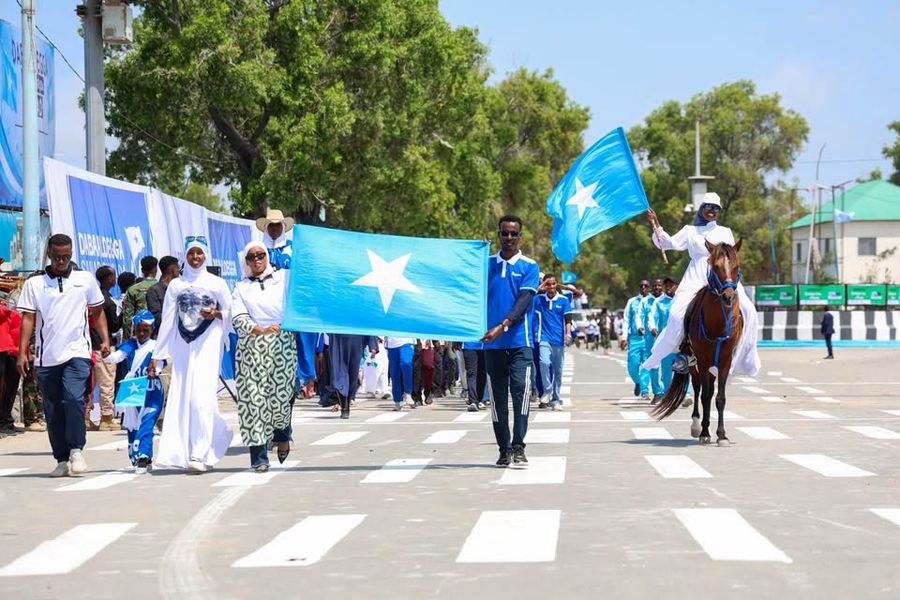
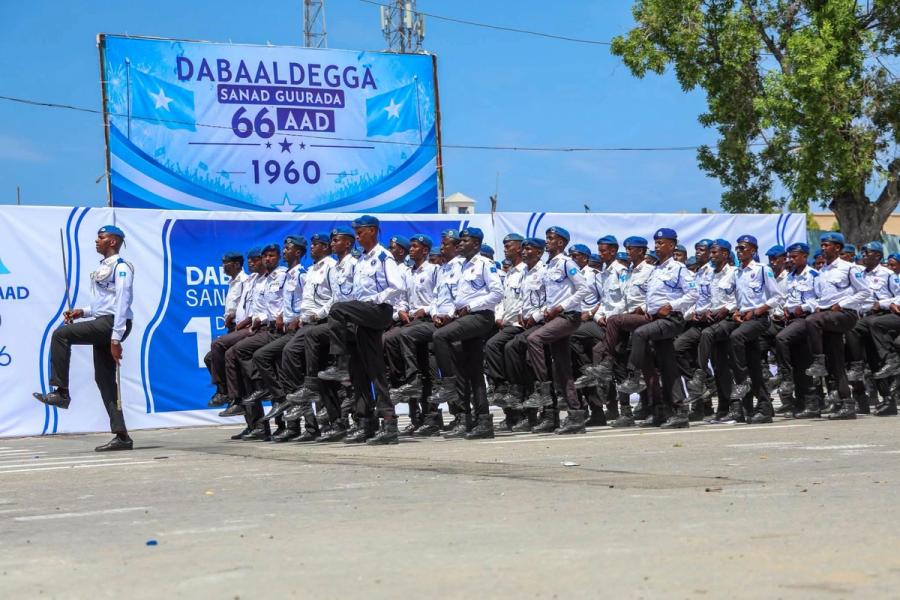
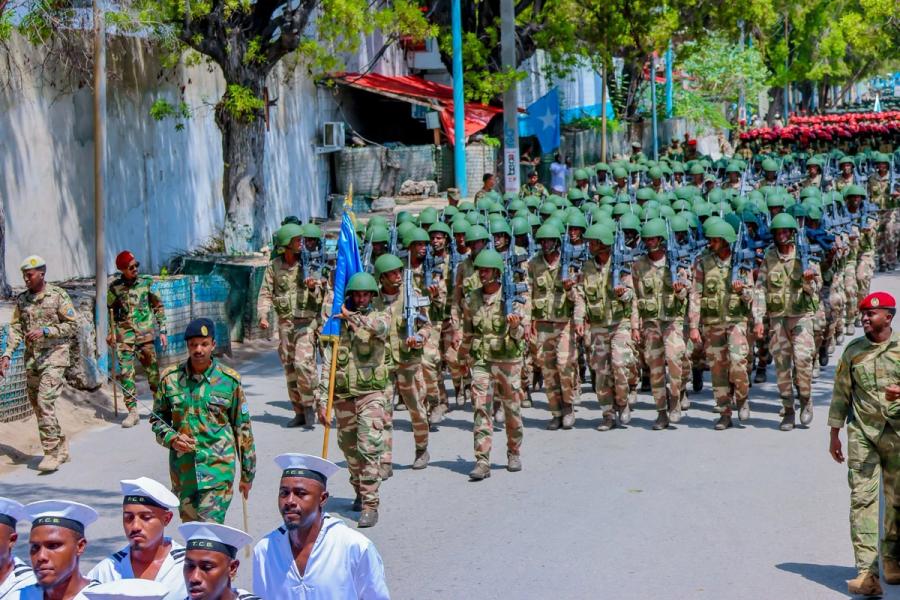
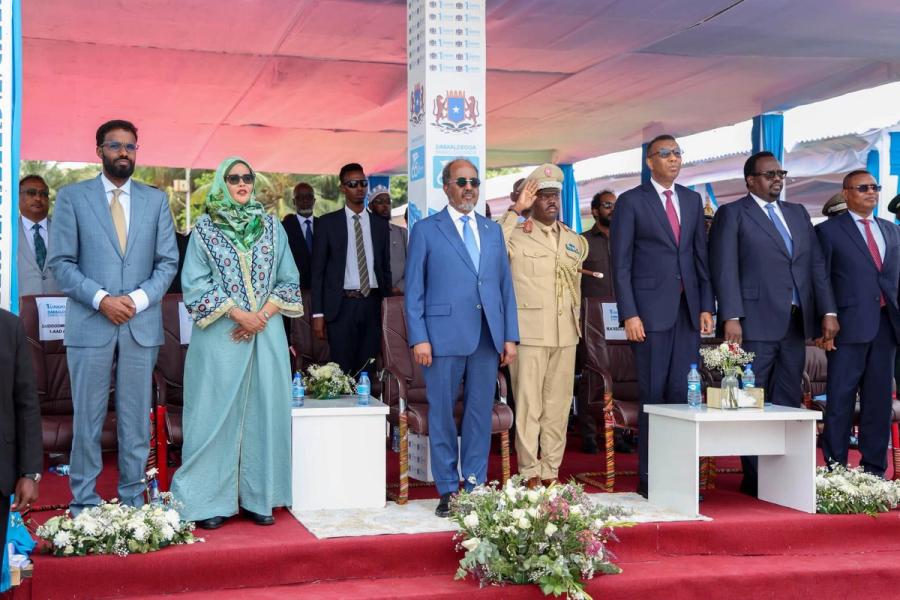
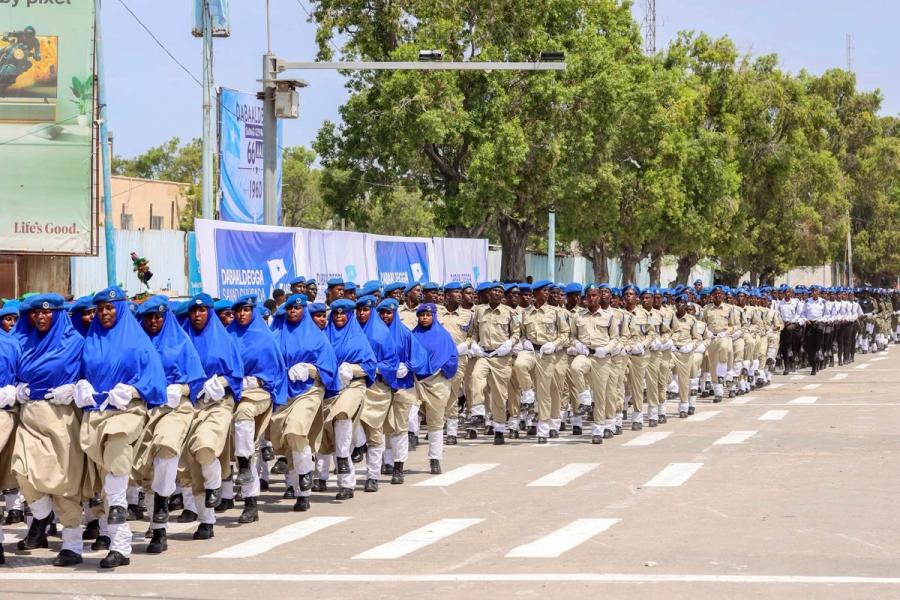
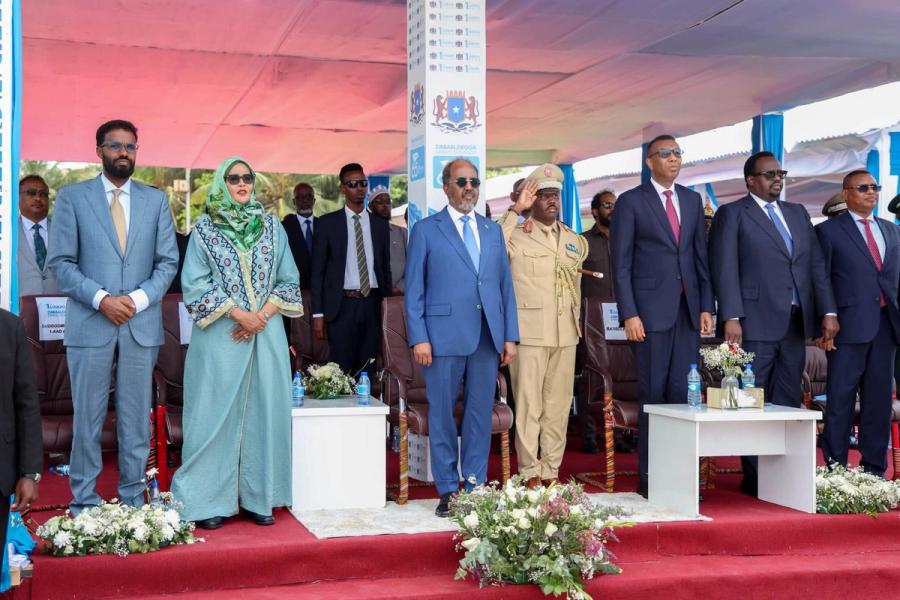
MOGADISHU, Somalia — July 1, 2026 —As Somalia marks its Independence Day on July 1, celebrations honoring the country's historic unification are taking place alongside renewed debate over the nation's political future. While Independence Day remains a symbol of national unity and sovereignty, this year's anniversary arrives at a time of political uncertainty, constitutional disagreements, economic hardship, and continuing discussions over the country's electoral roadmap.
For many Somalis, the occasion is both a celebration of national identity and a reminder that the country's state-building process remains unfinished. Political leaders, civil society organizations, and citizens continue to express differing views on how Somalia should address the challenges facing its federal system while preserving national stability.
Independence Day commemorates the union of the former British Somaliland Protectorate and the Trust Territory of Somaliland under Italian administration on July 1, 1960, creating the Somali Republic.
This year's anniversary comes as political discussions continue over Somalia's governance framework and electoral process. According to public statements made by political figures in recent months, disagreements remain over constitutional reforms, the distribution of powers between the Federal Government and Federal Member States, and the country's election model.
One of the issues drawing public attention is the political debate surrounding the presidential mandate. Opposition politicians and some constitutional experts have argued that President Hassan Sheikh Mohamud's constitutional term ended on May 15, 2026, while the Federal Government has maintained its own legal and political position regarding the transition process and ongoing institutional arrangements. The differing interpretations have become part of a broader national political debate.
No broad political consensus has yet emerged among the country's major stakeholders regarding the next steps toward resolving these disputes.
Political Differences Continue
Relations between the Federal Government and several Federal Member States have remained strained over a number of governance issues.
Political disagreements have focused on constitutional amendments, resource sharing, security responsibilities, electoral arrangements, and the balance of authority within Somalia's federal system.
According to statements issued by various federal and regional officials over recent months, consultations have continued intermittently, although differences remain on several key issues.
Political analysts say resolving these disputes through dialogue will be essential to maintaining confidence in Somalia's democratic institutions.
Economic Pressures Add to Public Concerns
Alongside political uncertainty, many Somali families continue to face economic hardship.
Businesses and households have been affected by high living costs, unemployment, climate-related challenges, and the broader impact of regional and global economic pressures.
Economists have repeatedly noted that prolonged political uncertainty can discourage investment, delay development projects, and reduce business confidence.
Many citizens hope that greater political stability would help improve economic opportunities and accelerate development.
Security Challenges Remain
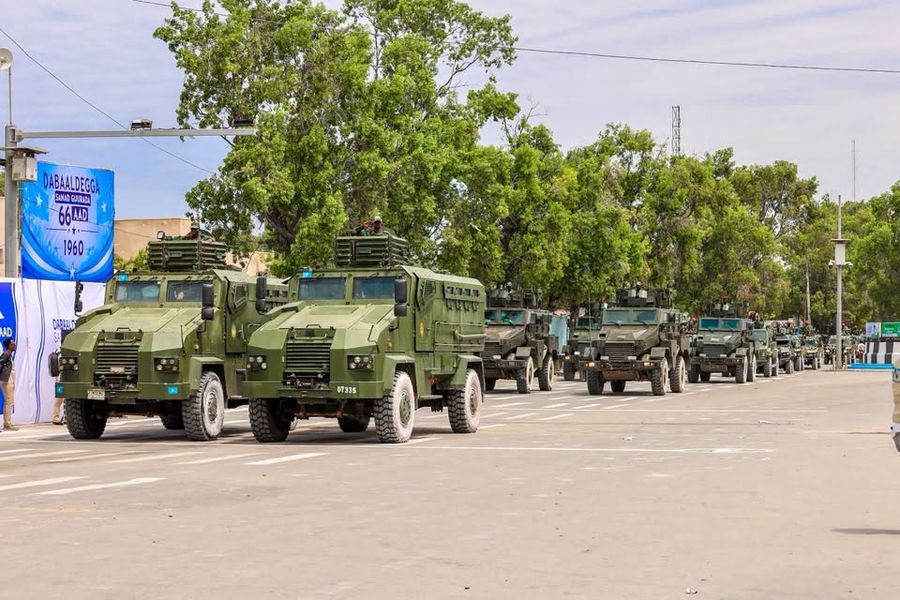
Somalia also continues to confront security threats from the militant group Al-Shabaab, which has carried out attacks in different parts of the country despite ongoing military operations by Somali security forces and international partners.
Security analysts say political cohesion among national institutions is widely viewed as an important component of maintaining momentum against extremist groups.
Government officials have consistently stated that security operations will continue while political dialogue remains separate from military efforts.
Somalia has spent more than three decades rebuilding national institutions following the collapse of the central government in 1991.
The adoption of a provisional federal constitution created a framework for governance, but many constitutional provisions remain under discussion. Questions regarding the division of powers, electoral systems, judicial arrangements, and federal relations continue to be debated by political leaders.
Successive administrations have pledged to complete the constitutional review process and establish durable democratic institutions, although progress has often been slowed by political disagreements.
Independence Day is more than a historical celebration. It is also an opportunity to reflect on the country's progress and the work that remains to strengthen national institutions.
Political disagreements are common in democratic societies. The challenge for Somalia is ensuring that disputes are resolved through constitutional mechanisms, dialogue, and inclusive political engagement rather than prolonged institutional deadlock.
A broadly accepted constitutional framework and consensus on elections would likely strengthen public confidence, improve relations between federal institutions and member states, and create a more predictable environment for economic growth and international cooperation.
As Somalia commemorates another Independence Day, many citizens continue to hope that national leaders across the political spectrum will prioritize dialogue, compromise, and constitutional solutions. While views differ on the path forward, there is broad recognition that lasting stability, effective governance, and economic recovery will depend on institutions that enjoy public legitimacy and broad political support.
Sixty-six years after independence, Somalia's greatest opportunity lies not only in celebrating its past but also in building the political consensus needed to shape its future.
Farhiyo Mohamed Hussein is a Somali journalist and commentator who writes on governance, politics, democracy, and public affairs in the Horn of Africa. The views expressed in this opinion article are those of the author.