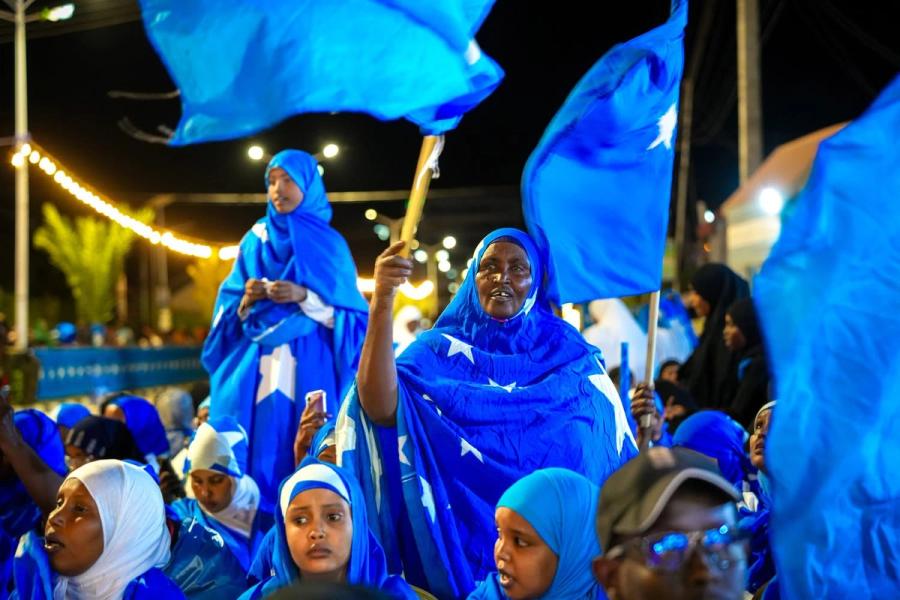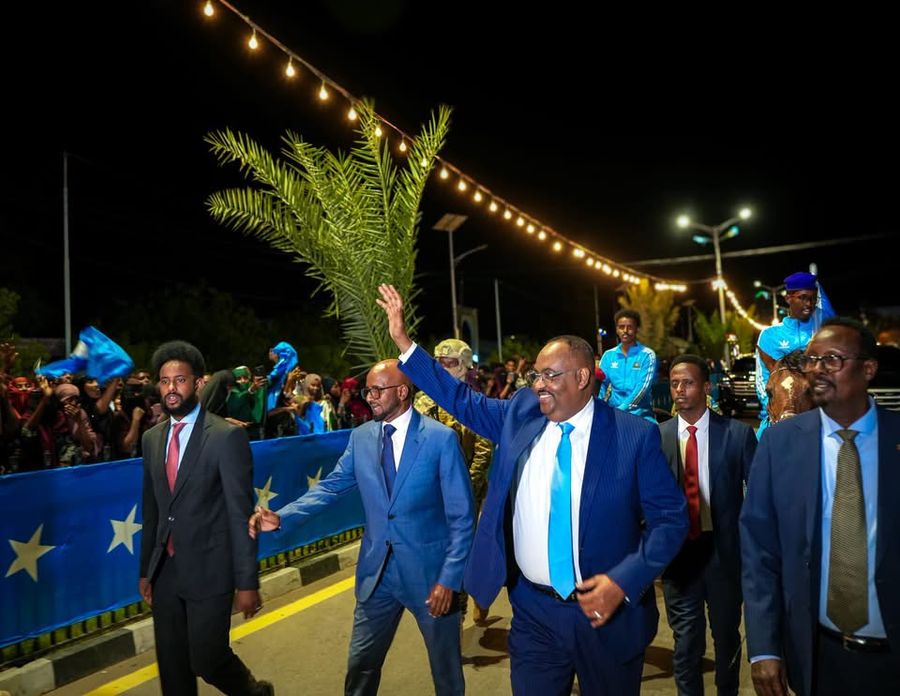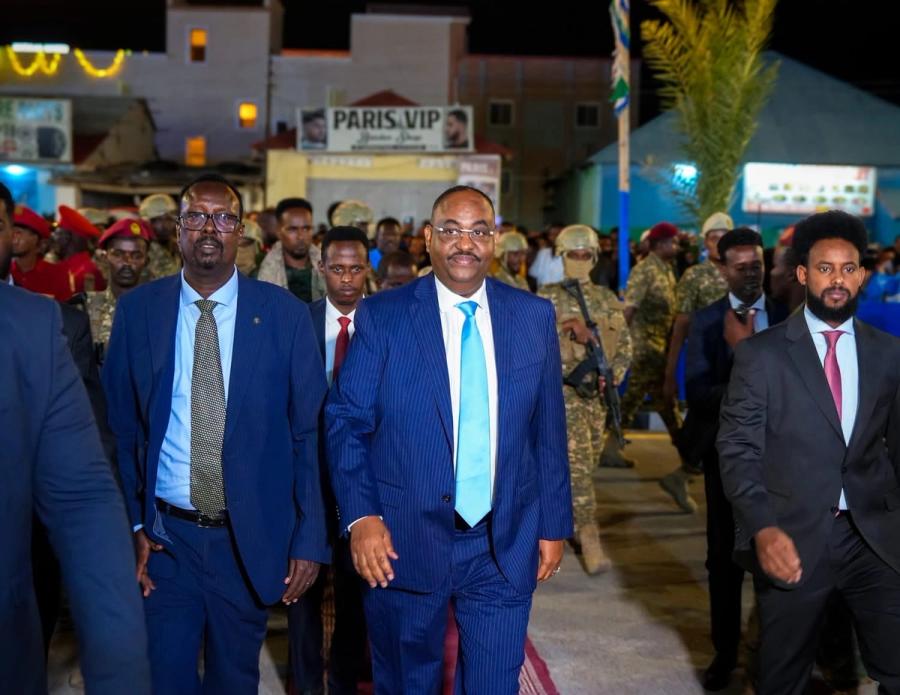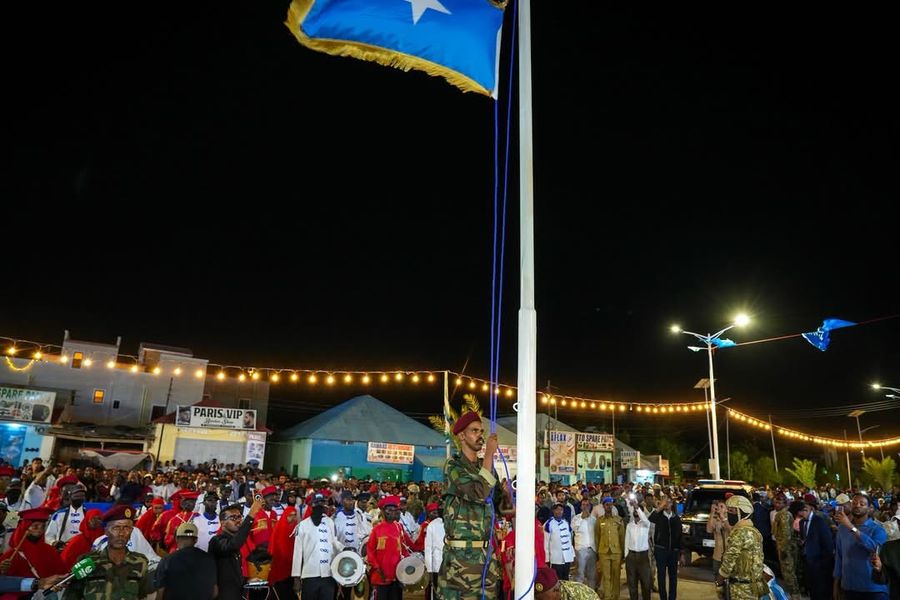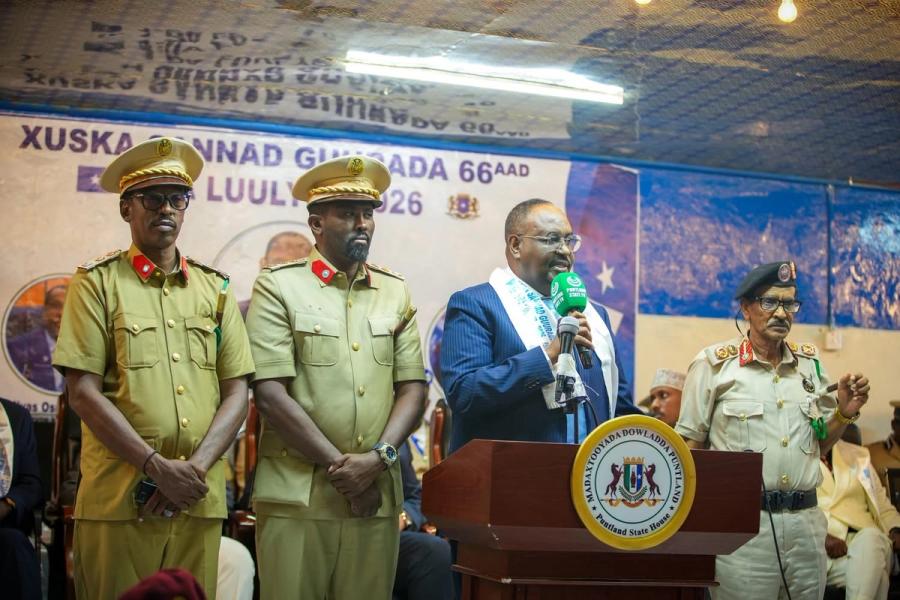
GAROWE, Somalia — July 1, 2026 —Puntland President Said Abdullahi Deni has declared that Puntland’s government, people, and security forces are fully capable of maintaining security within the region, while strongly rejecting what he described as attempts to pursue political objectives through military means.
Speaking at a public gathering in Garowe on Wednesday, Deni said Puntland possesses a unified security force responsible for protecting the region and that no external actor would be allowed to use military influence to advance political interests inside Puntland.
The remarks come amid continuing political tensions between Puntland and Somalia’s Federal Government, particularly over issues related to governance, constitutional amendments, security arrangements, and federal-state relations.
Latest Developments
Addressing supporters in Garowe, Deni stated that Puntland’s security institutions remain sufficient to defend the region and preserve its autonomy within Somalia’s federal system.
According to attendees and local media reports, the Puntland leader criticized individuals he described as harboring political grievances against Puntland. He also referenced recent security incidents and disputes involving federal authorities and Puntland leaders.
Deni said Puntland maintains “one unified force” and emphasized that no political actor would be permitted to use armed forces to impose political decisions on the region.
According to Puntland officials, the administration remains committed to safeguarding regional stability while preserving its constitutional rights under Somalia’s federal framework.
The president’s comments appeared to be directed at recent disagreements concerning military recruitment efforts and security-related activities that Puntland authorities have repeatedly criticized in recent months.
Security and Political Disputes
Relations between Puntland and the Federal Government have remained strained for more than a year.
Puntland suspended cooperation with federal institutions in 2024 following disagreements over constitutional amendments approved by Somalia’s federal parliament. Puntland leaders argued that the changes were adopted without sufficient consultation among federal member states.
The dispute later expanded into broader disagreements concerning power-sharing arrangements, electoral reforms, resource management, and security coordination.
According to Puntland officials, the regional administration believes Somalia’s federal structure must be protected from any efforts to centralize authority. Federal officials, meanwhile, have consistently maintained that constitutional reforms and national security initiatives are intended to strengthen governance and state institutions.
The Federal Government has not immediately responded to Deni’s latest remarks.
Government Response
No official statement was issued by the Federal Government regarding Deni’s comments at the time of publication.
Federal authorities have previously defended national security initiatives and military recruitment programs, arguing that strengthening the country’s armed forces is essential to combating Al-Shabaab and improving national security.
Officials in Mogadishu have also repeatedly emphasized the importance of cooperation between federal and regional administrations in addressing security challenges facing the country.
Background & Context
Political tensions between Puntland and Mogadishu have intensified since debates over constitutional amendments and electoral reforms gained momentum.
The two sides have also disagreed on issues related to federal authority, resource sharing, and the future structure of Somalia’s governance system.
Security matters have become another major point of contention. Puntland has traditionally maintained its own security institutions, including regional police and military forces, while coordinating with federal agencies on selected national security matters.
In recent years, Puntland security forces have conducted extensive operations against both Al-Shabaab and the Islamic State group operating in parts of the Bari region. Puntland officials have frequently cited these operations as evidence of the region’s ability to manage its own security affairs.
Deni’s latest comments also come against the backdrop of broader national debates regarding Somalia’s political future as preparations continue for future electoral processes and governance reforms.
What Happens Next
Political observers expect continued discussions between federal and regional leaders regarding unresolved constitutional and security disputes.
While direct negotiations remain possible, neither side has indicated any immediate breakthrough in efforts to resolve the disagreements that have defined relations between Garowe and Mogadishu over the past two years.
The coming months are expected to be significant as Somalia’s political stakeholders continue debating governance reforms, federal-state powers, and security responsibilities.
ANALYSIS: WHY THIS MATTERS
Deni’s remarks highlight the continuing political divide between Puntland and Somalia’s Federal Government, one of the most significant challenges facing the country’s federal system.
Security remains a sensitive issue because both federal and regional authorities play important roles in combating militant groups and maintaining stability. Disagreements over military authority and recruitment could complicate coordination efforts if tensions persist.
The debate also reflects broader concerns about the balance of power between Mogadishu and federal member states. Questions surrounding constitutional reforms and governance arrangements are likely to remain central issues in Somalia’s political discourse.
For Somalia’s political leadership, maintaining dialogue between federal and regional administrations will be critical to avoiding deeper institutional disputes while preserving cooperation on security and state-building efforts.