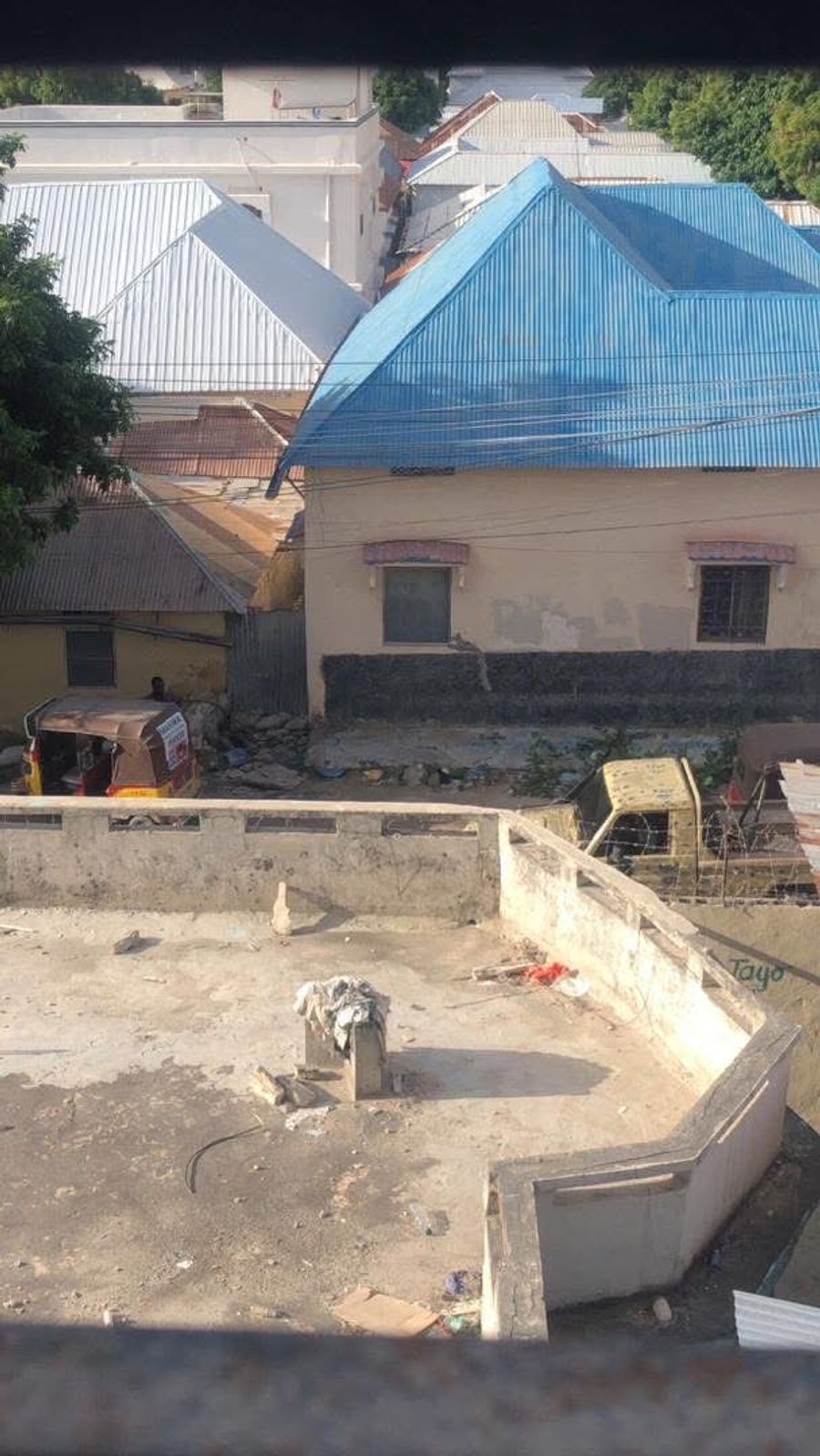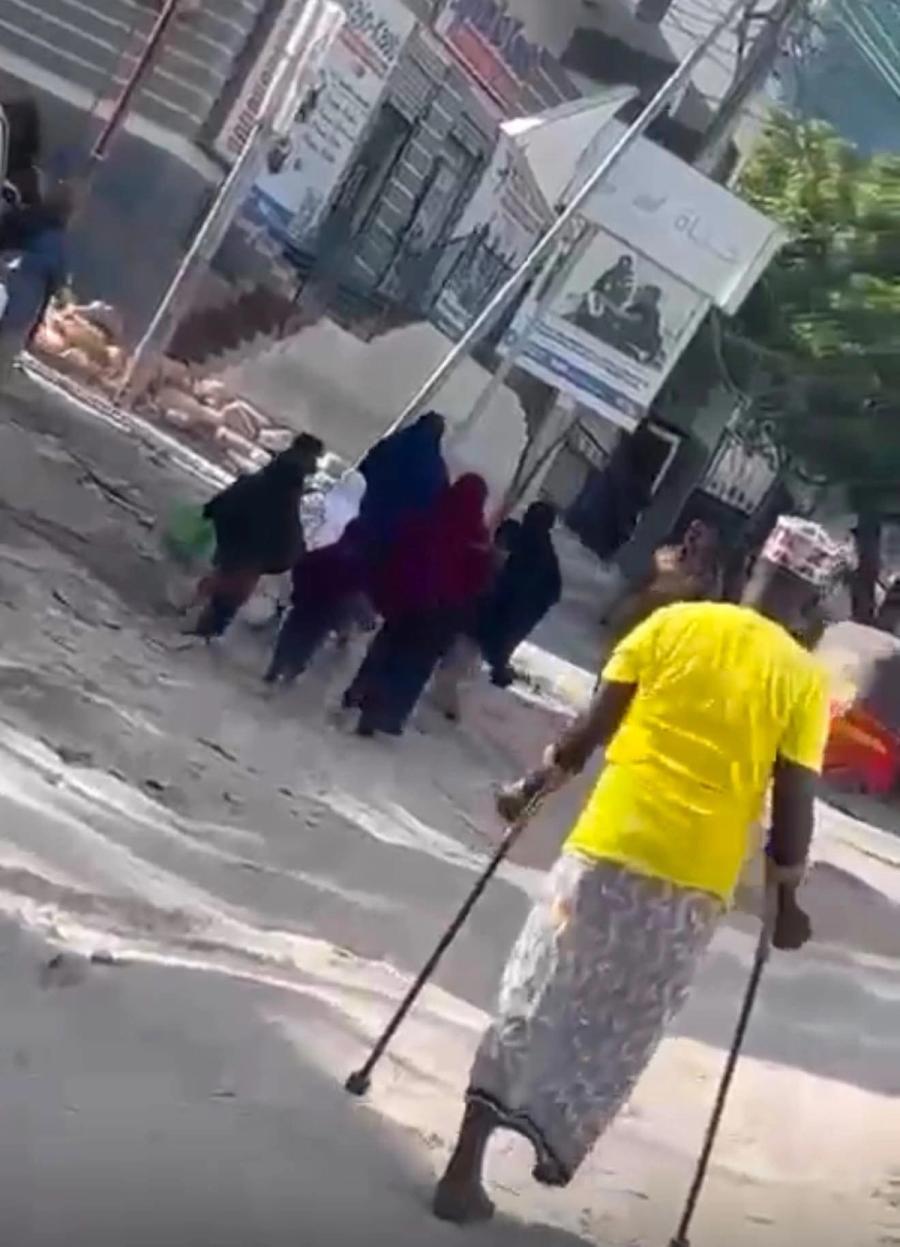
Wednesday, June 10,2026 ( Baidoa online )-Residents of Buulo-Xuubey and neighboring communities in Mogadishu's Wadajir District fled their homes on Wednesday following a heavy deployment of Somali government security forces in areas near Ceel-Qalow and Hotel Al-Jazeera, where opposition-linked politicians and supporters are believed to reside.
Eyewitnesses described scenes of panic as families, including women carrying children and elderly people with disabilities, hurriedly left their homes amid fears that the security buildup could lead to confrontation. Residents reported a growing military presence throughout the district and said some families were advised to vacate their homes as tensions escalated.
The situation intensified after a National Intelligence and Security Agency (NISA) armored vehicle, commonly known as the "Abdi Bile," was seen stationed near the residence of opposition leader Abdirahman Abdishakur Warsame in Wadajir District. Images obtained from the area showed the armored vehicle positioned close to his home, although authorities have not publicly explained the purpose of the deployment.
The latest developments come against the backdrop of a widening political crisis that has gripped Somalia in recent months. The dispute centers on disagreements over the country's electoral process, controversial constitutional amendments, and the legitimacy of the current federal leadership. President Hassan Sheikh Mohamud's constitutional mandate expired on 15 May 2026, while the Federal Parliament's term ended on 14 April 2026. However, the federal government maintains that constitutional amendments approved by parliament earlier this year extended both mandates and postponed the planned elections. Opposition leaders reject that interpretation, arguing that the extensions are unconstitutional and that the government has exceeded its legal mandate.
In March, Somalia's parliament approved constitutional amendments that could extend the president's tenure and delay elections while introducing a new electoral framework. The move was welcomed by government supporters as a step toward direct elections but was strongly opposed by several opposition leaders and some federal member states, who accused the government of altering the constitution without broad political consensus.
Political tensions escalated further after President Hassan Sheikh Mohamud insisted that his mandate remains valid until May 2027 under the amended constitutional framework. Opposition groups, including former President Sharif Sheikh Ahmed, former Prime Minister Hassan Ali Khaire, and other political leaders, rejected the claim and warned that Somalia was entering a dangerous constitutional and political impasse.
The dispute has already triggered violence in Mogadishu. Last week, government forces and militias allied with opposition figures exchanged fire in parts of the capital ahead of planned anti-government demonstrations. The clashes forced civilians to flee their homes, damaged property, and prompted concern from international partners, including the United Nations, the African Union, the United States, and the United Kingdom, all of whom called for dialogue and restraint.
The current standoff follows several months of growing tensions between Mogadishu and regional administrations over constitutional reforms, electoral arrangements, and the balance of power within Somalia's federal system. In March, political disputes in South West State culminated in federal forces taking control of Baidoa after the regional administration opposed the constitutional amendments and severed ties with the federal government. The confrontation displaced civilians and highlighted deep divisions over the country's political future.
Analysts warn that the ongoing dispute over elections, constitutional legitimacy, and presidential authority risks further destabilizing Somalia at a time when the country is simultaneously confronting security threats from Al-Shabaab, humanitarian challenges, and widespread displacement caused by conflict and climate-related disasters.