Wednesday, May 20, 2026 (Baidoa Online) -Residents who were reportedly evicted from homes in the Buulo-Daa’uud area of Shibis District held protests on Thursday near the site of the demolished houses, accusing authorities of forced displacement and lack of prior notice or compensation.
The demonstrations involved women, youth, and elderly residents who gathered among rubble remains, expressing anger over demolitions they say have left dozens of families without shelter. According to witnesses, the protest reflected growing frustration over what residents describe as abrupt eviction operations in the area.
No official response has yet been issued by the Shibis District administration or federal authorities regarding the allegations.
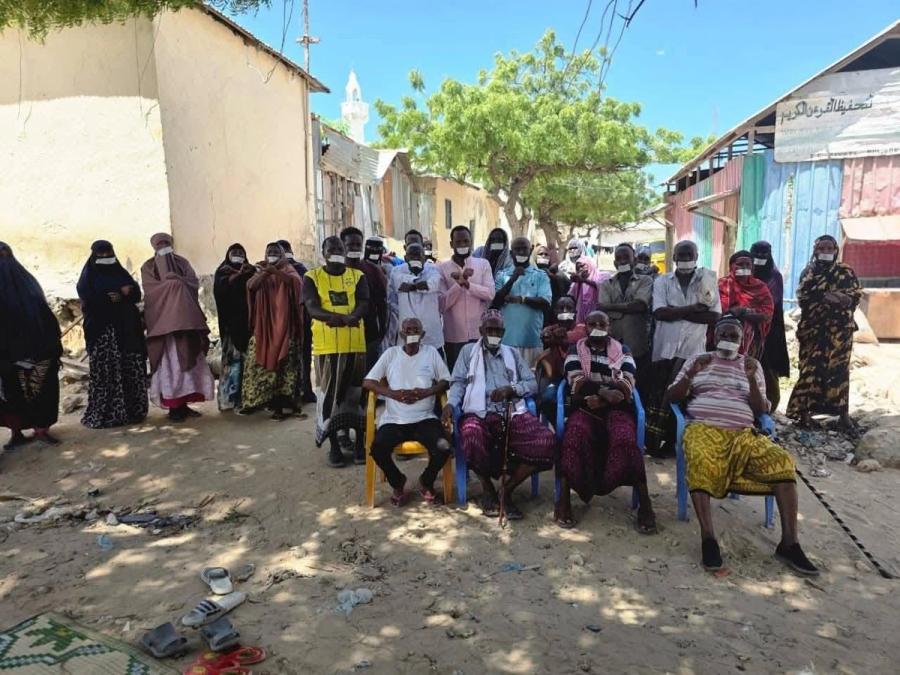
According to local residents and witnesses, the displaced families returned to the Buulo-Daa’uud area to stage a peaceful demonstration at the location where their homes once stood.
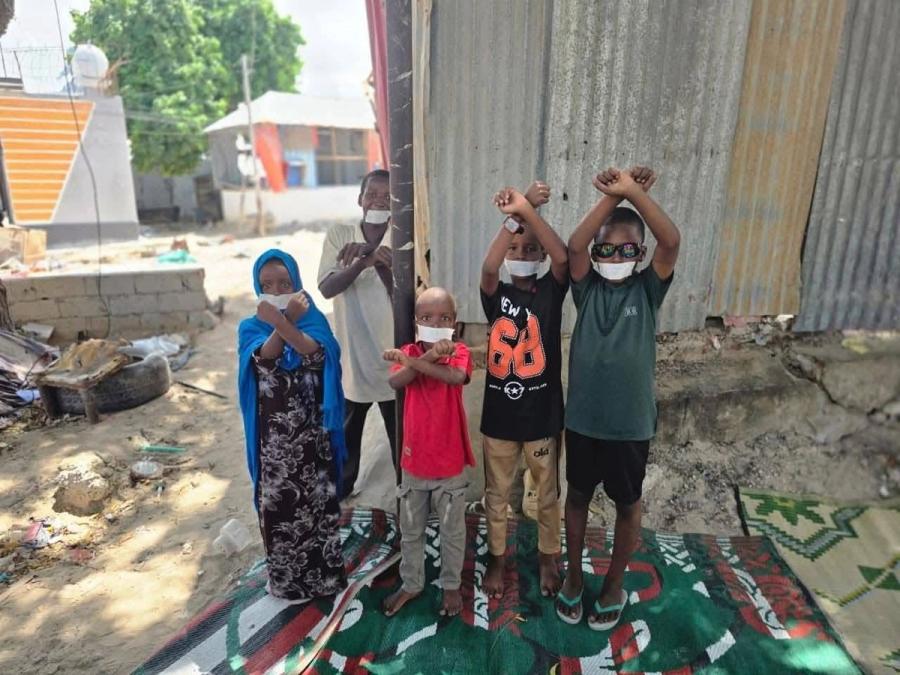
Protesters were seen covering their faces and hands during the demonstration, a gesture they described as symbolic of fear and lack of protection following the demolitions. Residents said the gesture reflected their sense of being left without voice or representation after losing their homes.
Witnesses said the protesters gathered to condemn the demolition exercise and to draw attention to the humanitarian situation facing affected families. Many of the displaced residents claim they were not given prior notice, relocation support, or compensation before the operation took place.
According to residents who spoke at the scene, some individuals who attempted to question security forces or resist the demolitions were detained during the operation. These claims have not been independently verified by authorities.
Photos circulating from the area showed displaced families standing amid destroyed structures, with emotionally charged scenes as residents expressed concern over their future living conditions.
Government Response
There has been no official statement from the Shibis District administration or the Federal Government of Somalia regarding the reported evictions, demolitions, or alleged detentions.
Authorities have not confirmed the number of affected families or the legal basis for the reported operation in Buulo-Daa’uud.
Mogadishu has experienced periodic demolition and relocation operations linked to urban development projects, road expansion, and security related planning in recent years.
Such operations have often generated disputes between authorities and local residents, particularly in densely populated districts where informal housing is common.
In previous cases, residents have raised concerns over lack of consultation, compensation, and adequate relocation plans during eviction exercises. Authorities have in some instances argued that demolitions are necessary for infrastructure development and city planning.
Shibis District, like several other parts of Mogadishu, includes areas with mixed formal and informal settlements, making land ownership and housing rights a recurring point of tension between residents and local administration.
What Happens Next
It remains unclear whether authorities will respond to the allegations or whether further protests may take place in the coming days.
Residents have called on the government to halt further demolitions and address the grievances of displaced families, including questions of compensation and resettlement support.
Attention is now on local and federal authorities to clarify the legal framework behind the reported operation and whether any assistance will be provided to affected households.
The protests highlight ongoing tensions in Mogadishu over urban redevelopment, land ownership, and housing rights. These issues have frequently led to disputes between residents and authorities in rapidly growing urban areas.
If unresolved, such incidents may deepen mistrust between communities and local administrations, particularly in districts where informal housing is widespread.
The situation also raises broader questions about urban planning, social protection, and how displacement is managed in a city facing rapid population growth and infrastructure pressures.