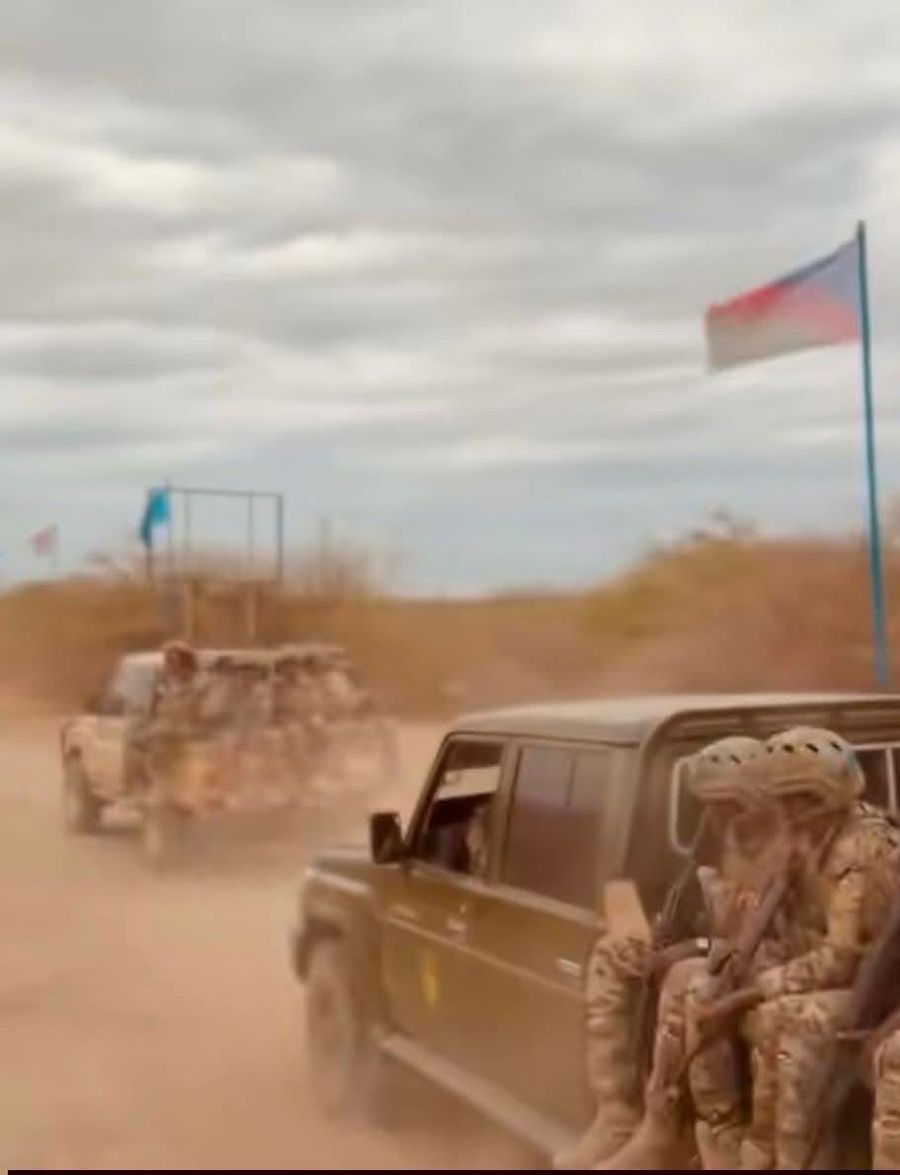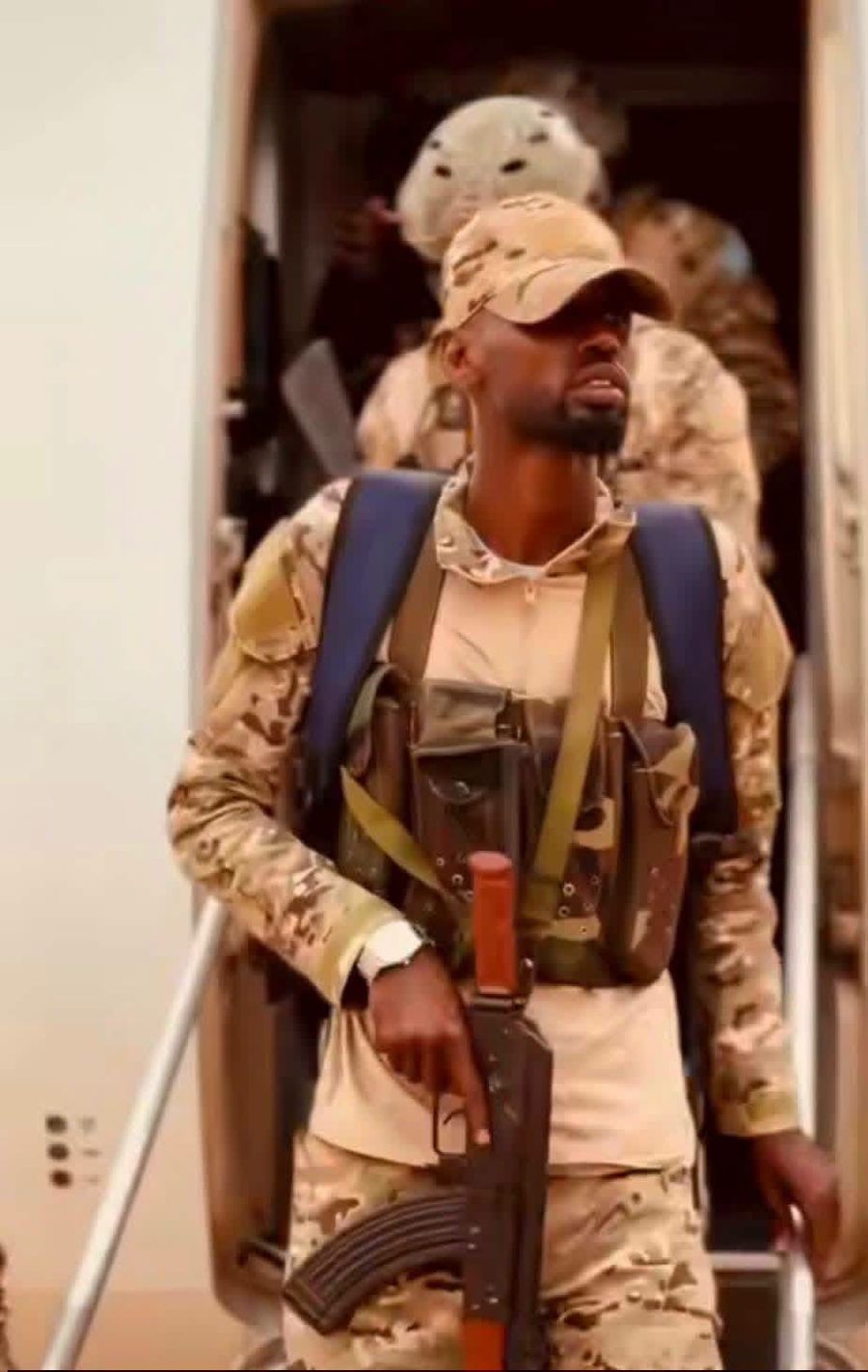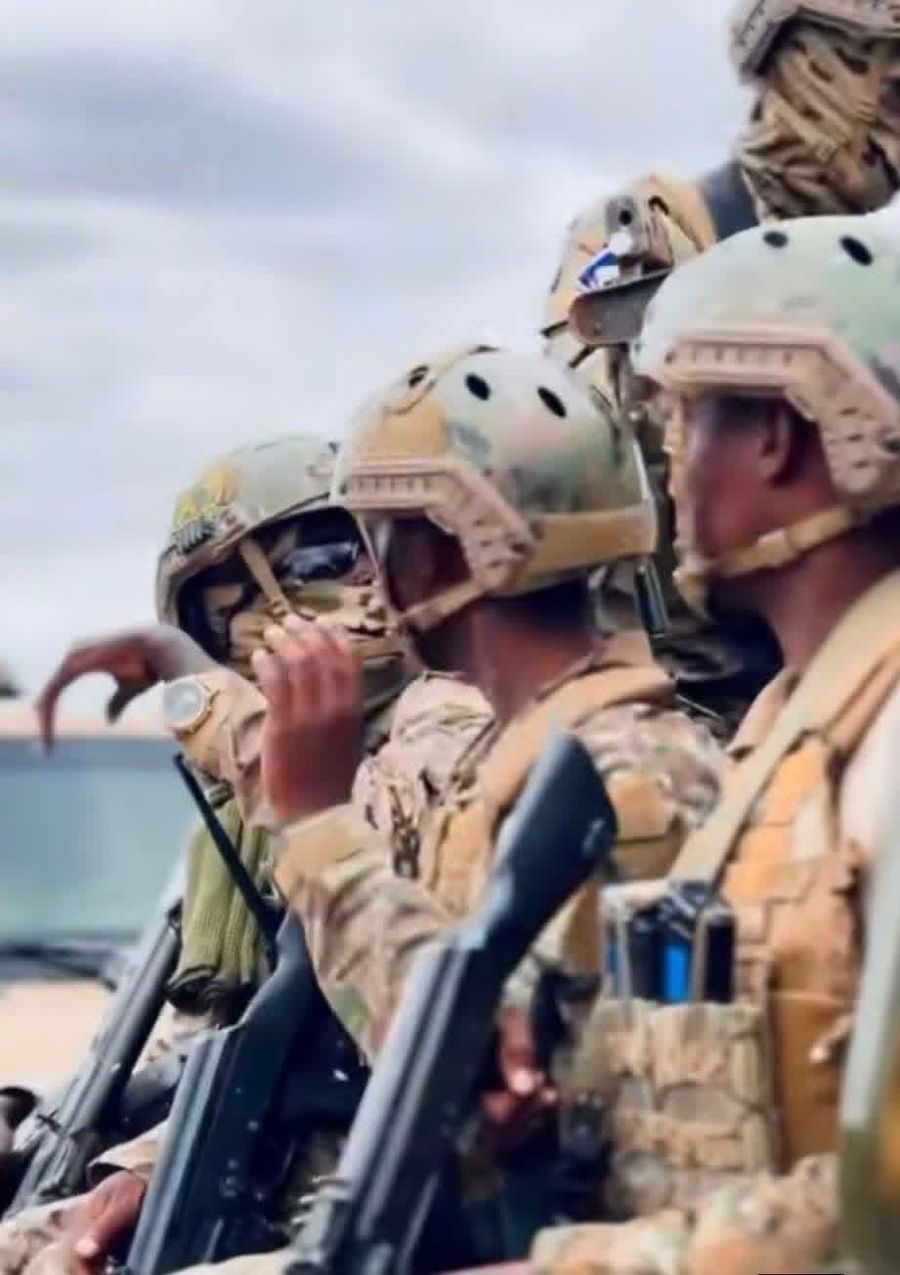
BAIDOA, Somalia — August 23, 2026 — Somalia’s federal government deployed additional troops to Baidoa on Sunday to reinforce security around federal parliament Speaker Sheikh Aden Madobe amid rising tensions with forces loyal to former South West State President Abdiaziz Hassan Mohamed “Laftagareen,” according to local and security sources.
The troops were reportedly flown into Baidoa, the administrative capital of South West State. Sources said their mission included protecting Madobe and officials associated with the administration he leads, as well as securing strategic government facilities in the city.
The number of soldiers deployed was not immediately known. Federal authorities have also not disclosed which military units participated in the operation or how long they are expected to remain in Baidoa.
Rival forces increase presence
The federal deployment came after forces aligned with Laftagareen reportedly increased their presence in several parts of Baidoa and its surrounding areas.
Local sources described movements by armed personnel on roads leading into and out of the city, although their precise positions and objectives remained unclear. There were no independently verified reports of direct fighting between the rival forces as of Sunday.
The military activity has created unease among residents and officials aligned with the Aden Madobe-led administration. Some residents fear that further deployments could turn the political dispute into an armed confrontation.
No casualties or major interruptions to civilian movement had been confirmed at the time of publication.
The latest troop movements reflect a widening power struggle over the leadership and political direction of South West State.
Supporters of Laftagareen continue to challenge the legitimacy of the administration led by Madobe. Opponents describe Madobe’s administration as a political project established with the support of Somalia’s federal government, an allegation federal officials have not publicly addressed in detail.
Madobe’s supporters, meanwhile, view the presence of Laftagareen-aligned forces as a threat to the new administration and its ability to operate from Baidoa.
Neither side has publicly outlined a plan for resolving the dispute through negotiations. It is also unclear whether federal or regional political leaders have begun mediation efforts aimed at preventing violence.
Somalia’s federal government had not released an official statement explaining Sunday’s deployment. Madobe and representatives of Laftagareen had also not issued detailed comments about the reported military movements.
Baidoa’s strategic importance
Baidoa is one of the most politically and strategically important cities in southern Somalia. It hosts South West State institutions, federal government representatives, security forces and international organizations.
The city also serves as a major commercial and humanitarian center for communities across the Bay region and neighbouring areas. Any prolonged confrontation could disrupt trade, transportation and humanitarian operations while placing civilians at risk.
South West State has faced repeated political disagreements involving regional leaders, federal authorities and opposition groups. Disputes over leadership, election processes and the division of authority between Mogadishu and regional administrations have periodically increased tensions in Baidoa.
The arrival of federal troops adds a security dimension to the latest political dispute. Their presence could deter an attempt to challenge Madobe’s administration by force, but it could also deepen mistrust if Laftagareen’s supporters view the deployment as federal interference in South West State affairs.
The rival troop movements risk transforming a political dispute into a security crisis. Even without direct clashes, the concentration of armed forces in and around Baidoa could create confusion, restrict civilian movement and increase the possibility of an accidental confrontation.
A prolonged standoff could also divert government personnel and resources from operations against Al-Shabaab, which remains active in parts of southern Somalia. Political divisions between federal and regional leaders have previously complicated security coordination and weakened unified responses to militant threats.
The dispute could have wider consequences for relations between Somalia’s federal government and its federal member states. Any use of military force to settle disagreements over regional leadership would likely intensify existing debates about political legitimacy, regional autonomy and federal authority.