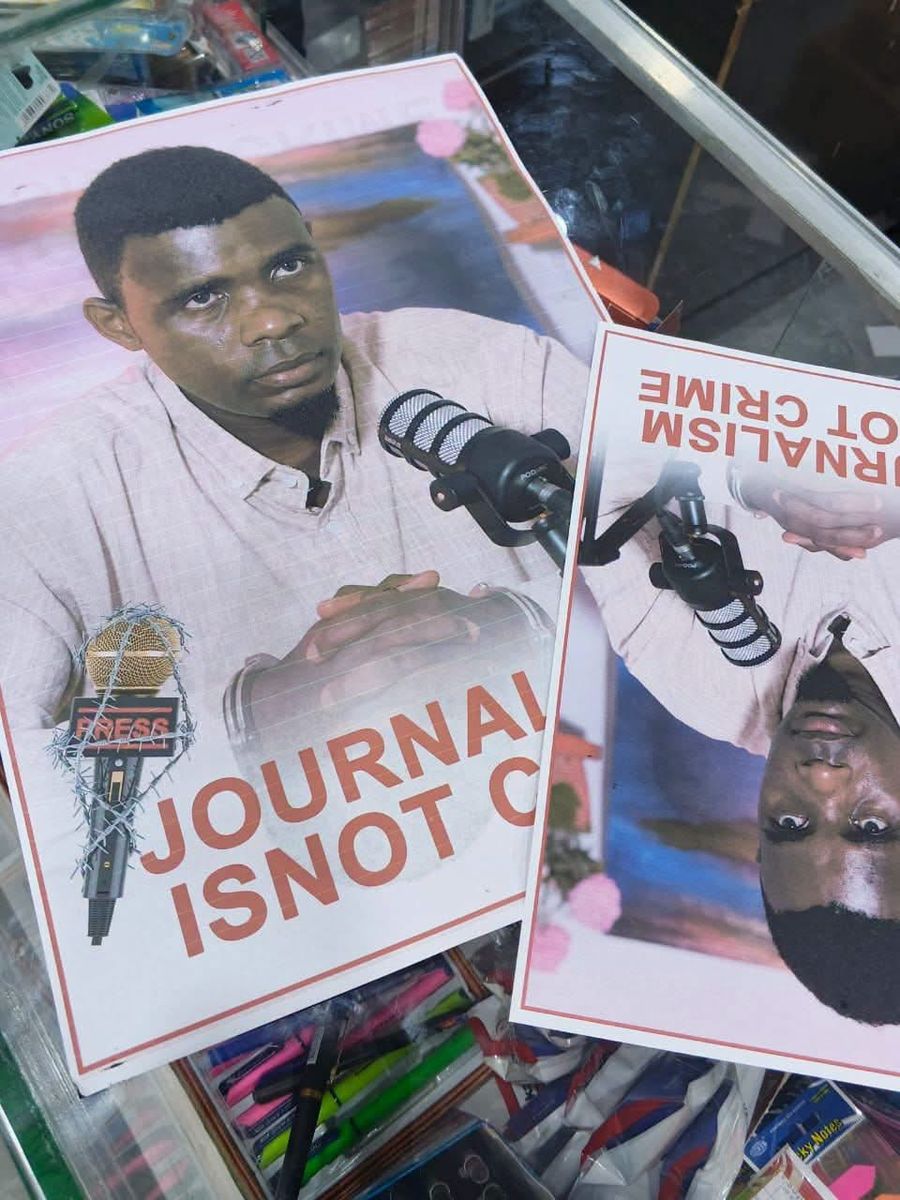
MOGADISHU, Somalia — August 8, 2026 — Somali journalist Mascuud Warsame has been in detention for nearly 40 days without a reported appearance before a court, while Somali authorities have yet to publicly disclose charges or provide an official explanation for his continued detention, according to information from his family and a Somali media rights group.
Warsame, the founder of the Mogadishu-based online news platform Xogbile Media, was detained late on June 30 in the Somali capital, according to the Somali Journalists Syndicate (SJS). The organization has attributed his detention to officers from Somalia’s National Intelligence and Security Agency (NISA).
As of Saturday, there had been no publicly announced court proceedings or formal charges against Warsame. Somali authorities have also not publicly explained the legal basis for holding him for more than five weeks.
The prolonged detention has renewed concerns about due process and press freedom in Somalia, where journalists and media organizations have repeatedly reported arrests, questioning and restrictions involving security agencies.
SJS said Warsame was detained shortly before midnight on June 30 outside his office on Maka Al-Mukarama Road in Mogadishu. Citing his family and colleagues, the organization said armed NISA officers travelling in an unmarked vehicle took him away.
In a statement issued on July 2, SJS called on NISA to disclose Warsame’s whereabouts and allow his family and legal representatives access to him. The organization also called for guarantees concerning his safety and well-being.
The circumstances leading to his detention remain unclear. No publicly available statement from NISA or another federal government institution has detailed allegations against Warsame or announced criminal charges in connection with the case.
Nearly 40 days after his detention, there has also been no publicly reported court appearance.
That lack of official information has left significant questions surrounding the case, including whether Warsame remains under intelligence custody, whether an investigation is continuing and when he could be brought before judicial authorities.
Government Response
Somali federal authorities have not publicly provided a detailed account of the reasons for Warsame’s detention or announced charges against him.
There has also been no public indication of when he could appear before a court.
The absence of an official explanation makes it difficult to independently establish the allegations, if any, behind the detention. Any accusations against Warsame would remain unproven unless presented through formal legal proceedings.
NISA has been approached by media rights organizations in previous cases involving journalists, with press freedom groups repeatedly calling for security agencies to follow judicial procedures when dealing with media workers.
Press Freedom Context in Somalia
Warsame’s case comes against a broader backdrop of disputes between Somali journalists and security authorities over arrests, access to information and coverage of politically sensitive issues.
In May 2025, SJS documented 15 arrests or temporary detentions of journalists over two days in Mogadishu. According to the organization, several journalists were detained while gathering public opinion on political developments in the capital.
SJS said some of those journalists were questioned by NISA officers, while equipment or recorded material was confiscated or deleted in some cases. The journalists involved in those incidents were later released, according to the organization.
The May incidents involved reporters working for several Somali media organizations and occurred during heightened political tensions in Mogadishu. SJS described the detentions at the time as restrictions on independent reporting, while calling on authorities to protect journalists’ ability to carry out their work.
Warsame’s case differs in duration. While many journalists involved in previous incidents were released after relatively short periods, his detention has now extended beyond five weeks without publicly disclosed charges or a reported court appearance.
Attention is likely to focus on whether Somali authorities provide an official explanation for Warsame’s detention and whether he is brought before a competent court.
A formal court appearance could clarify whether prosecutors intend to pursue charges and would provide a judicial process through which allegations against him could be examined.
Media rights advocates are also seeking access for Warsame’s family and legal representatives and greater transparency over his status.
Until authorities disclose the legal basis for his detention or formal proceedings begin, key details surrounding the case will remain unresolved.
Warsame’s continued detention is significant because it raises questions about due process as well as the environment in which journalists operate in Somalia. Holding a journalist for an extended period without publicly disclosed charges can intensify concerns among media workers, particularly when the reasons for detention remain unclear.
The case could also have broader implications for press freedom. Journalists covering politics, security and government affairs depend on being able to report without facing detention outside established judicial procedures.