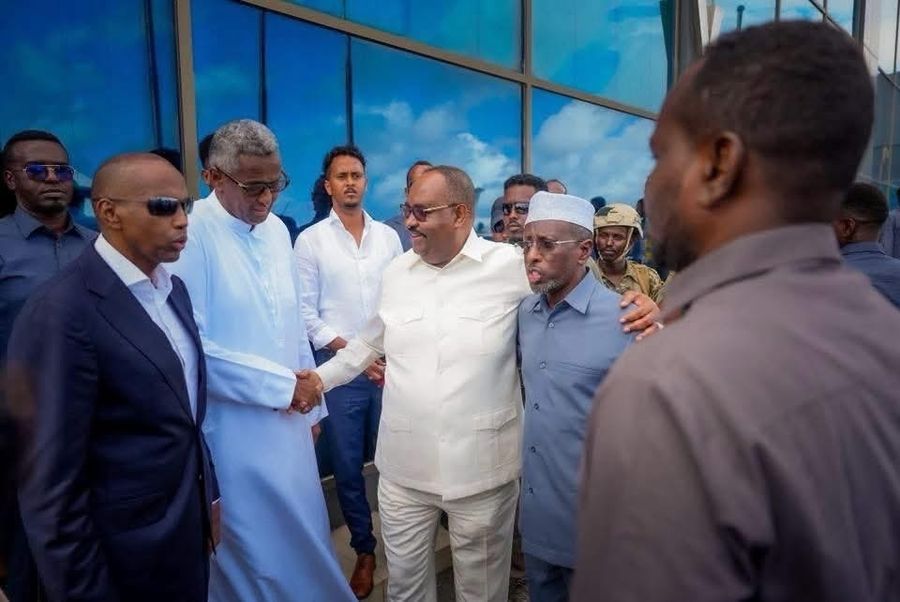
MOGADISHU, Somalia — June 20, 2026 — Talks between committees representing the Federal Government of Somalia and the Future Council have collapsed after the two sides failed to reach an agreement on several disputed issues, according to sources familiar with the negotiations.
The breakdown comes as Somalia’s political stakeholders continue efforts to resolve differences through dialogue, with the latest setback raising questions over the future of the ongoing discussions between the government and opposition groups.
Sources familiar with the negotiations said the committee-level talks ended after representatives of the Federal Government declined to continue discussions on several points where the two sides held opposing views.
Members of the Future Council committee informed international partners that they had suspended their participation in the negotiations, saying the disputed issues could no longer be resolved at the committee level.
According to sources close to the Future Council, the group argued that the unresolved matters should instead be discussed directly between senior leaders from the Federal Government and opposition figures, after the committees failed to make progress.
The sources did not provide details on all the disputed issues, but said they involved major political questions that require decisions from Somalia’s top leadership.
The Federal Government has not yet issued a detailed public statement explaining its position on the collapse of the committee discussions.
Senior Leaders Hold Separate Political Meetings
While the committee talks have stalled, other political engagements involving key figures are continuing.
Separate discussions are being led by former President Mohamed Abdullahi Farmaajo and former Prime Minister Omar Abdirashid Ali Sharmarke, according to sources involved in the wider dialogue process.
The meetings are part of broader efforts to bring together Somalia’s political actors and address disagreements through consultations between senior leaders.
The outcome of these discussions could influence whether the suspended committee negotiations resume or whether a new approach is adopted to address the outstanding issues.
Background to Somalia’s Political Dialogue
Political disagreements between Somalia’s federal government and opposition groups have continued to shape the country’s political environment in recent years, particularly around issues related to elections, constitutional reforms, and the distribution of political power.
Previous rounds of negotiations have also faced challenges, with disagreements over electoral arrangements and governance reforms delaying consensus among political stakeholders.
Somalia has been working to strengthen its political institutions while managing complex relationships between the federal government, federal member states, and opposition figures.
The Future Council, which brings together several political actors opposed to some government positions, has been involved in discussions aimed at addressing national political disputes.
International partners have closely followed Somalia’s political dialogue, frequently encouraging inclusive negotiations among all major stakeholders to maintain stability and support democratic processes.
Political observers say the next stage of negotiations will likely depend on whether senior leaders can find common ground on the issues that caused the committee talks to fail.
Sources familiar with the discussions said further meetings among political leaders are expected as efforts continue to prevent a prolonged political deadlock.
The Federal Government and opposition groups have not announced a new timetable for resuming the suspended committee talks.
The collapse of the committee-level discussions highlights the difficulties facing Somalia’s political reconciliation efforts. Failure to resolve disagreements could slow progress on major national issues and increase political tensions ahead of future decision-making processes.
The involvement of former senior leaders, including Farmaajo and Omar Abdirashid Ali Sharmarke, indicates that some unresolved matters may require direct engagement among influential political figures rather than technical-level negotiations.
For Somalia’s citizens, prolonged political disputes could affect government priorities and distract attention from other national challenges, including security operations, economic development, and public services.