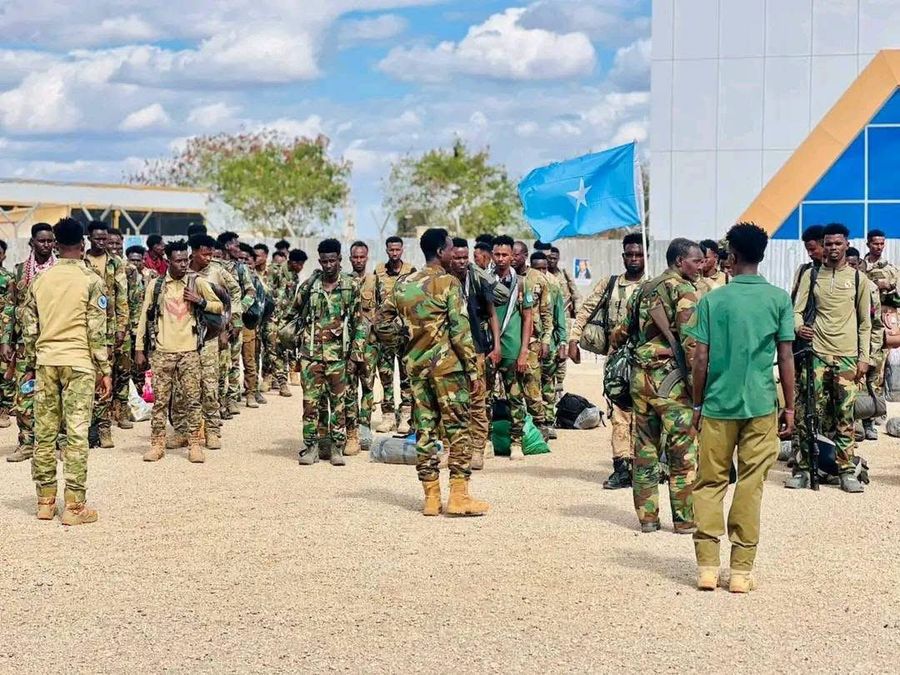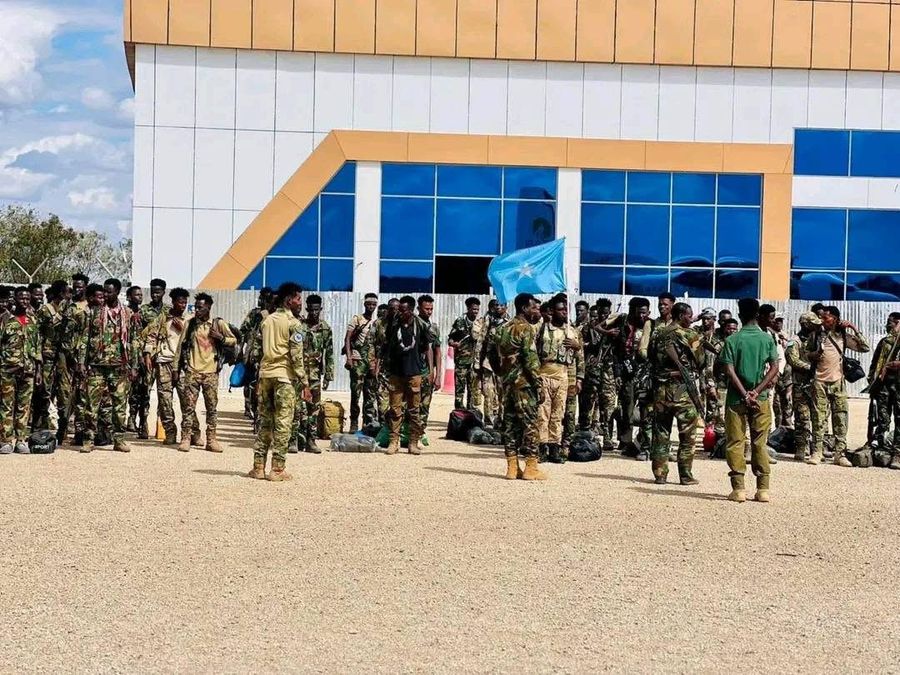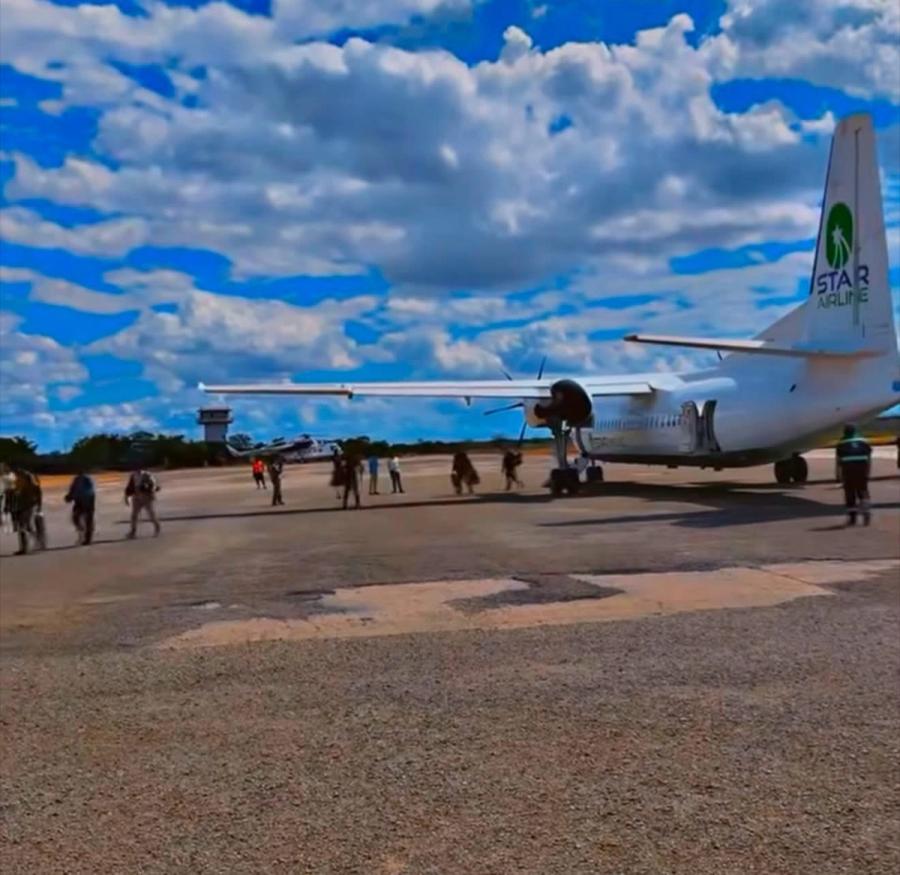
BAIDOA, Somalia — August 29, 2026 — Somalia’s Federal Government has reportedly flown additional troops and weapons into Baidoa as forces loyal to former South West State President Abdiaziz Hassan Mohamed “Laftagareen” strengthen positions outside the city, raising fears of another confrontation over control of the regional capital.
Three flights arrive from Mogadishu
Security sources said three aircraft, each with approximately 30 passenger seats, arrived in Baidoa from Mogadishu carrying soldiers and military supplies.
The reinforcements were reportedly deployed to support forces protecting the administration associated with Speaker of the House of the People Sheikh Adan Mohamed Nur “Madobe.”
The exact number of soldiers transported aboard the aircraft was not immediately known. Details about the quantity and types of weapons delivered were also unavailable.
Somalia’s Federal Government has not publicly confirmed the flights or explained whether the deployment is temporary. The reported movement of troops and weapons could not be independently verified.
Federal forces currently control Baidoa and several strategic positions in and around the city. Forces loyal to Laftagareen are reported to be operating from positions on the outskirts.
Ethiopia reportedly maintains neutrality
The reported federal deployment followed Ethiopia’s decision not to support either side in the dispute over the legitimacy of the South West State leadership, according to sources familiar with regional discussions.
The sources claimed that federal officials had sought the assistance of Ethiopian troops stationed in the region to help defend Baidoa and the Adan Madobe-associated administration. Ethiopia reportedly declined to become involved on behalf of either political camp.
Ethiopian officials have not publicly confirmed that such a request was made. They have also not issued a detailed statement setting out their position on the rival South West factions.
Ethiopia has historically exercised considerable security and political influence in South West State. Ethiopian troops have operated in parts of the region under successive African Union missions and through bilateral security arrangements with Somalia.
Laftagareen forces receive defectors
South West Darawish forces loyal to Laftagareen have reportedly received soldiers who defected from units based inside Baidoa, according to security and opposition-aligned sources.
The forces are also alleged to have obtained additional weapons, including heavy military equipment, as they reinforce positions surrounding the regional capital.
The number of defectors and the source of the reported weapons remain unclear. No independent evidence confirming the delivery of heavy weapons was immediately available.
Laftagareen’s representatives have not released a detailed public statement about the reported reinforcements. Federal officials have also not commented on the alleged defections.
The rival military movements have increased concern among residents that another attempt could be made to enter Baidoa. No fighting had been reported in the city at the time of publication.
Dispute over South West legitimacy
The confrontation stems from a prolonged dispute over elections, constitutional changes and the authority to determine the leadership of South West State.
In March 2026, the Federal Government rejected Laftagareen’s disputed re-election, describing the process as unlawful and inconsistent with national electoral agreements.
Laftagareen’s administration had earlier suspended cooperation with Mogadishu, accusing federal officials of interfering in South West’s internal political affairs.
Federal troops took control of Baidoa on March 30. Laftagareen subsequently announced his resignation, but his supporters continued to recognise him as the legitimate regional leader and organised forces outside the city.
The political dispute developed into an armed confrontation on August 17, when Laftagareen-aligned fighters attacked federal positions in Baidoa.
The opposition forces briefly entered parts of the city before federal troops pushed them out following intense fighting. Residents reported civilian and military casualties, but figures issued by the competing camps could not be independently reconciled.
The clashes were among the most serious confrontations in Baidoa since the federal takeover in March and demonstrated that the dispute had not been resolved by Laftagareen’s announced resignation.
History of political violence in Baidoa
Baidoa has previously experienced deadly unrest linked to disputed elections and federal involvement in South West politics.
During the 2018 South West presidential election, Mukhtar Robow emerged as a leading candidate after defecting from Al-Shabaab the previous year.
Ethiopian troops serving under the African Union mission arrested Robow in Baidoa on December 13, 2018, and transferred him to Mogadishu. His detention removed him from the election and triggered protests by his supporters.
At least 11 people were reported killed during the resulting unrest. Amnesty International accused security forces of using unjustifiable lethal force against demonstrators.
Laftagareen subsequently won the regional presidency. Critics argued that federal intervention had influenced the contest, an allegation federal authorities disputed.
A separate legitimacy crisis developed when opposition politicians challenged an extension of Laftagareen’s mandate. Negotiations mediated by Adan Madobe in early 2023 produced a political agreement intended to establish an electoral timetable and prevent violence.
Disagreements over the election process and the implementation of that settlement persisted, contributing to the confrontation between Mogadishu and Laftagareen’s administration in 2026.
What happens next
No formal negotiations between the competing factions have been announced.
Residents and community leaders have called for dialogue and urged both camps to keep military forces away from populated areas. They warned that renewed fighting could cause civilian casualties, disrupt commercial activity and force more families to leave their homes.
Baidoa hosts hundreds of thousands of people displaced by drought, hunger and conflict. Any prolonged confrontation could interrupt humanitarian operations serving vulnerable communities in the city and surrounding displacement settlements.
The reported arrival of federal reinforcements, combined with alleged defections and weapons deliveries to Laftagareen’s forces, suggests that both sides are preparing for the possibility of another confrontation.
Ethiopia’s reported refusal to support either faction could alter the balance of the crisis. Mogadishu may have to rely more heavily on federal forces to secure Baidoa, while the absence of Ethiopian intervention could give local actors greater influence over how the dispute develops.
The alleged defections are also significant because divided loyalties within security units can weaken command structures and increase the risk of fighting inside the city. The presence of heavy weapons near civilian areas would raise the danger of substantial casualties if clashes resume.
Renewed conflict would also divert Somali security forces from operations against Al-Shabaab. The militant group remains active in rural areas surrounding Baidoa and could exploit divisions between federal and regional forces.