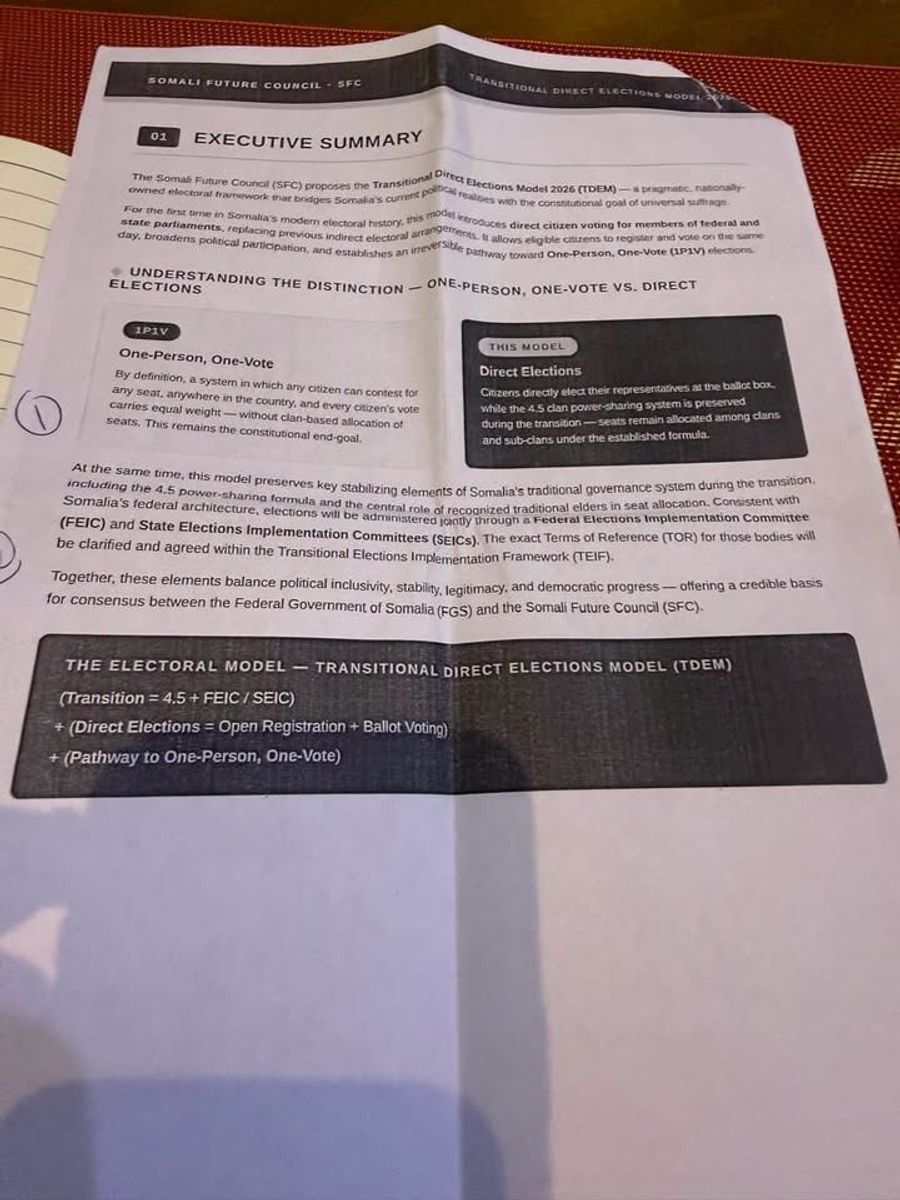
MOGADISHU, Somalia — July 9, 2026 — Somalia’s Future Council has presented a proposed electoral framework known as the Transitional Direct Elections Model 2026 (TDEM 2026), outlining a plan for temporary direct elections while preserving the country’s 4.5 clan-based power-sharing system during the transition period. The proposal was shared with international partners and federal government representatives in Mogadishu.
Somalia’s Future Council has introduced a new transitional electoral proposal aimed at moving the country toward direct elections while maintaining existing political arrangements during a temporary transition period.
The proposed model, called the Transitional Direct Elections Model 2026 (TDEM 2026), was presented to representatives from the Federal Government of Somalia and members of the international community, according to information shared by the council.
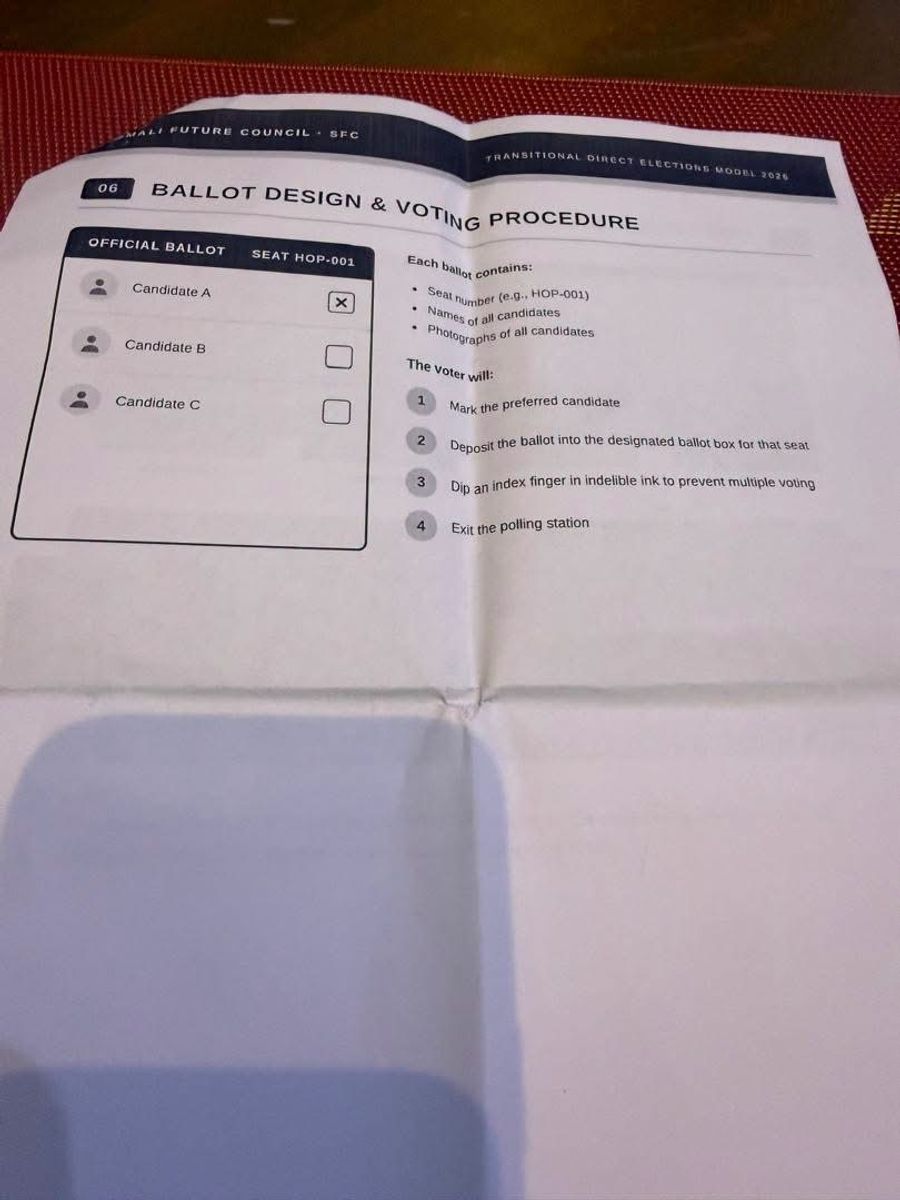
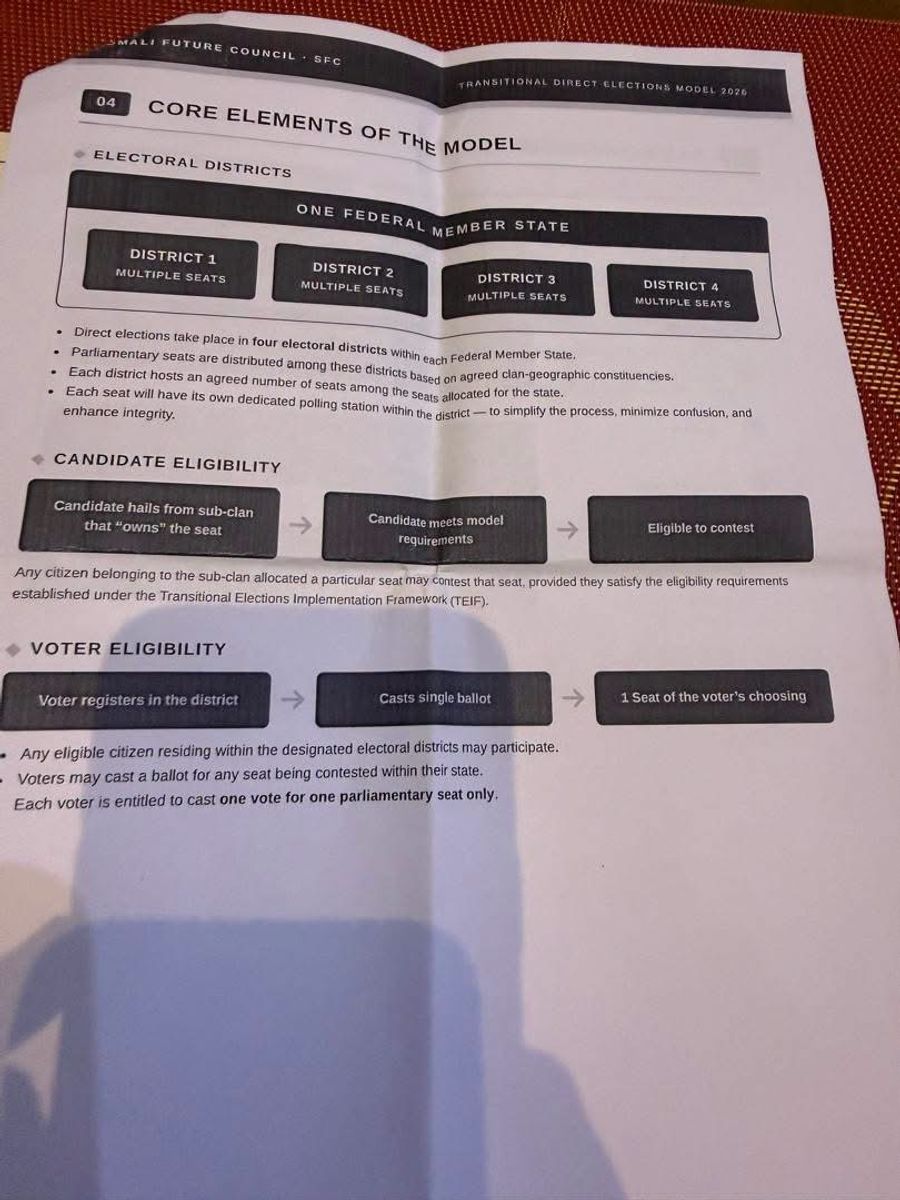
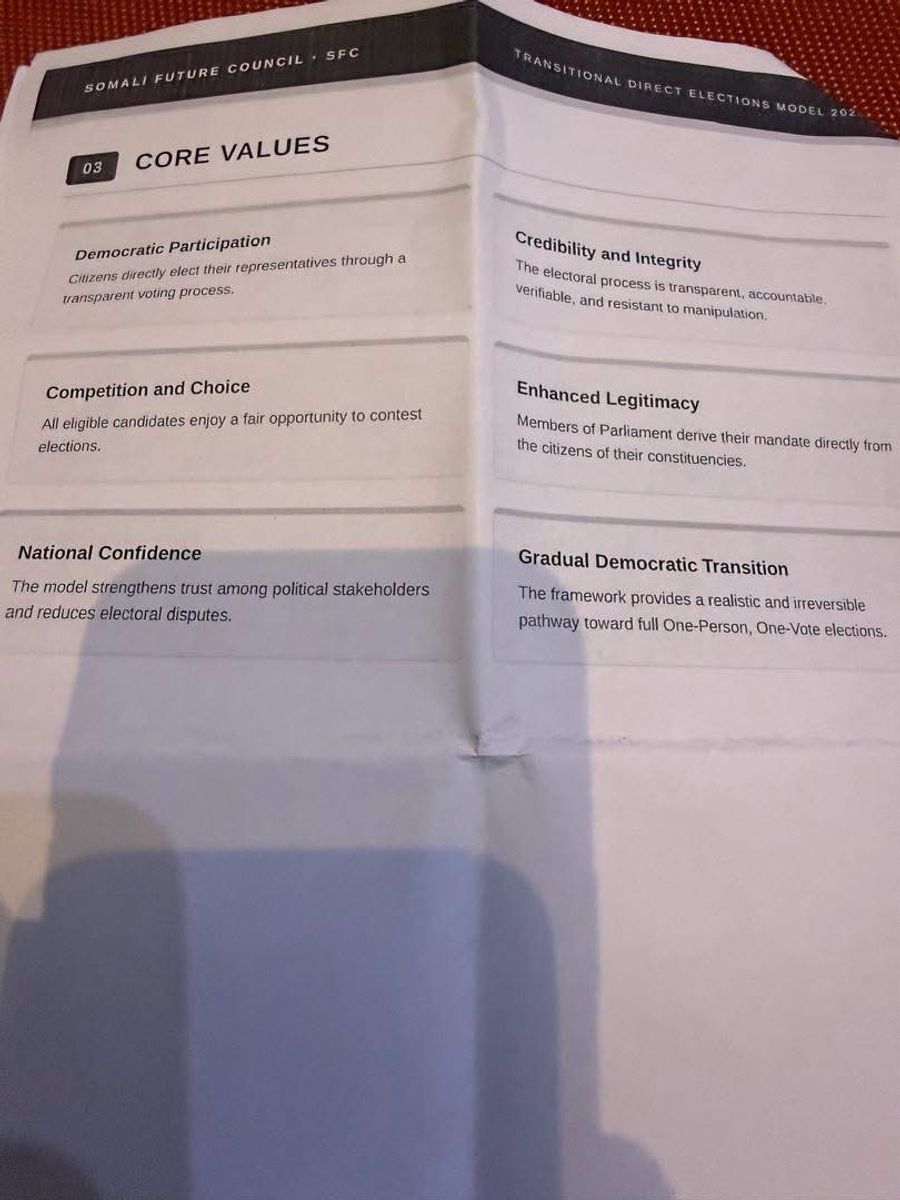
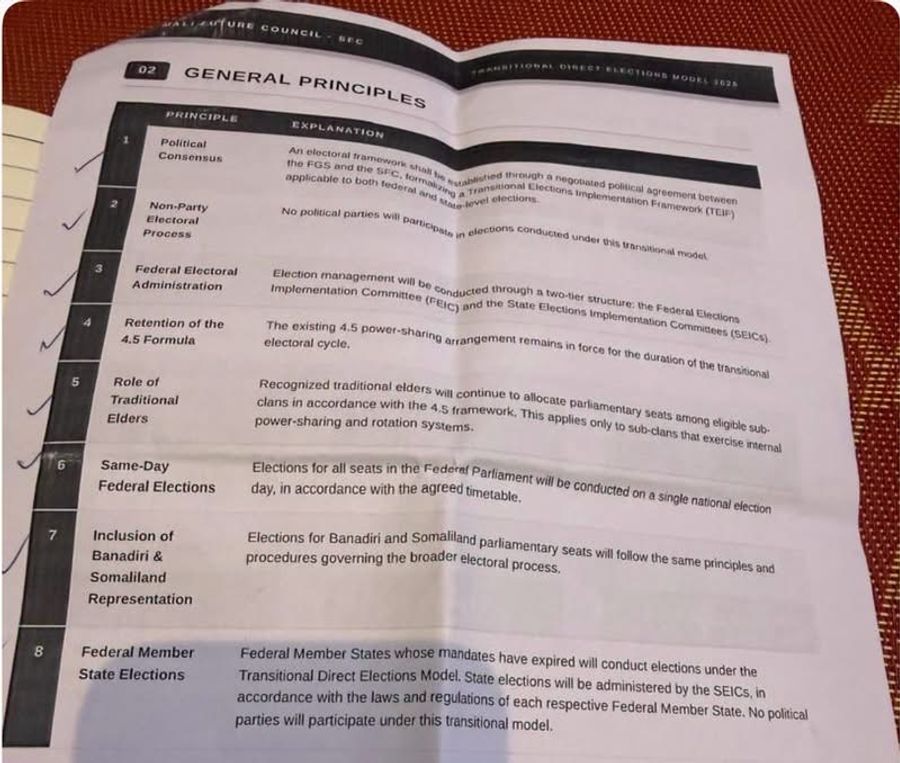
Under the proposal, Somali citizens would directly vote for members of the Federal Parliament without the involvement of political parties. The model suggests that parliamentary elections would be conducted through direct voting at the constituency level while maintaining the current clan-based allocation system during the transitional phase.
The proposal states that two levels of electoral bodies would oversee the process. The Federal Electoral Implementation Commission (FEIC) would manage elections at the federal level, while State Electoral Implementation Commissions (SEICs) would handle electoral activities within federal member states.
According to the Future Council, traditional elders would continue to play a role in allocating parliamentary seats among clans based on the existing 4.5 power-sharing formula. The council said the arrangement is intended to combine direct public participation with Somalia’s current political realities.
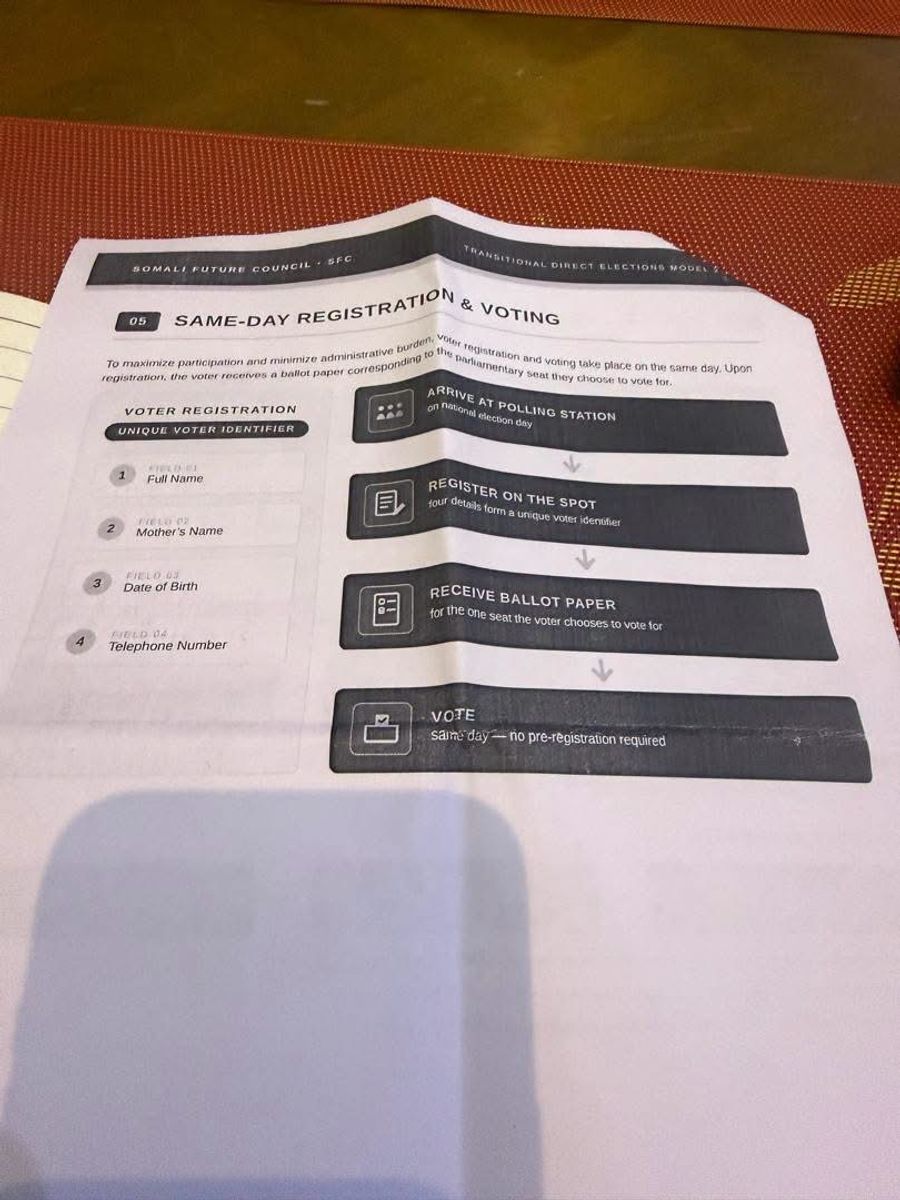
The TDEM 2026 proposal also outlines a combined voter registration and voting process, with both activities taking place on the same day. Under the proposed system, each voter would cast a ballot for only one parliamentary seat.
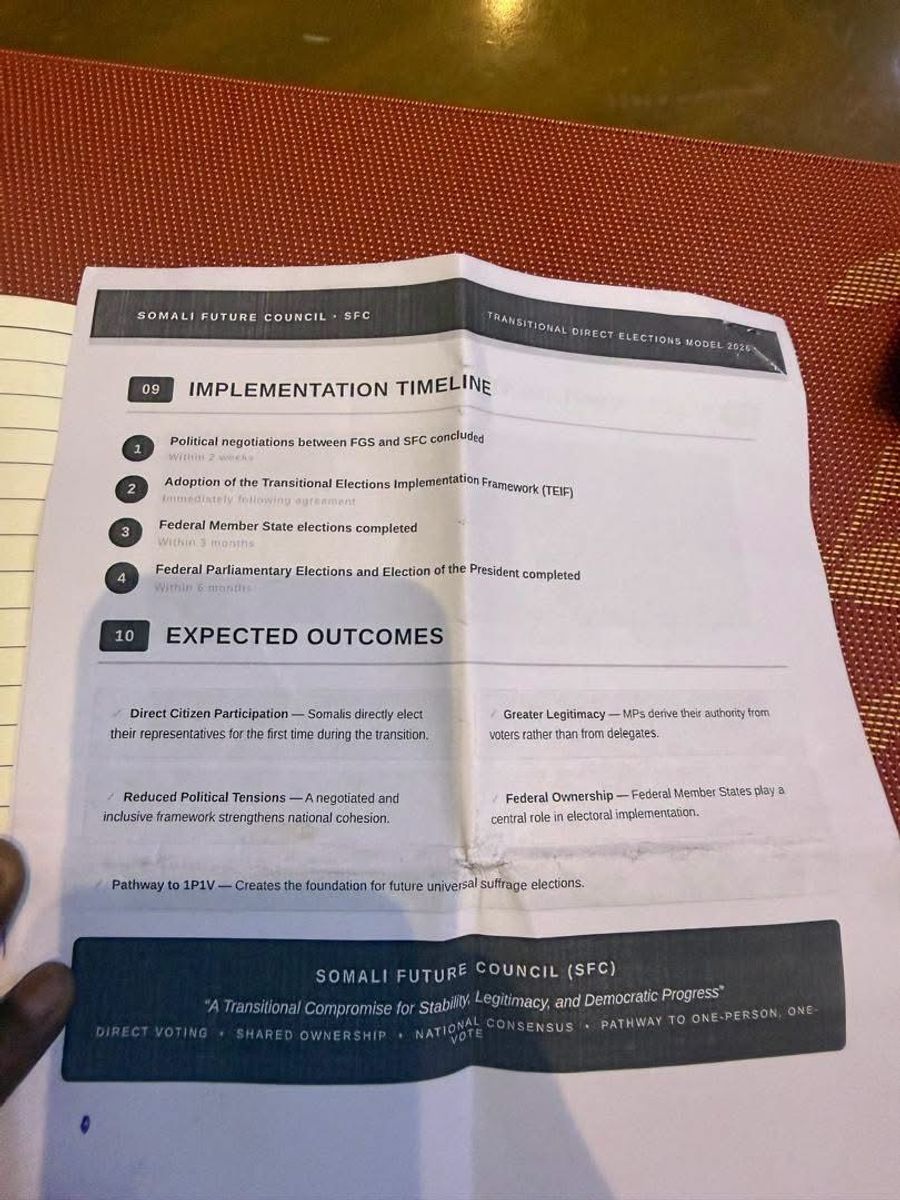
The council said the proposed timeline aims to complete elections for federal member states, the Federal Parliament, and the presidency within six months.
Electoral Process and Transition Plan
The Future Council said the proposed framework is designed as a temporary mechanism to help Somalia transition toward a full one-person, one-vote electoral system in the future.
According to the proposal, the model would increase public participation by allowing citizens to directly select parliamentary representatives while avoiding a complete disruption of the current power-sharing structure.
The council stated that the approach could strengthen the legitimacy of government institutions, reduce political disagreements over election arrangements, and provide a pathway toward broader democratic reforms.
The proposal comes amid ongoing discussions among Somali political actors over the country’s electoral future and the transition from indirect elections based on clan representation to a direct voting system.
Background and Political Context
Somalia has used an indirect electoral system for decades, where clan delegates and traditional elders select members of parliament under the 4.5 power-sharing formula. The system was introduced as a compromise mechanism aimed at balancing representation among major clan groups and minority communities.
Previous attempts to introduce a direct voting system have faced political disagreements between the federal government, federal member states, opposition groups, and other stakeholders.
Electoral reforms have remained one of the most sensitive political issues in Somalia, with debates focusing on issues such as voter registration, constituency boundaries, security arrangements, election management bodies, and the balance of power between federal and regional authorities.
The Future Council’s proposal comes as Somali political leaders continue discussions over the framework for upcoming elections and the future structure of governance.
Government and International Engagement
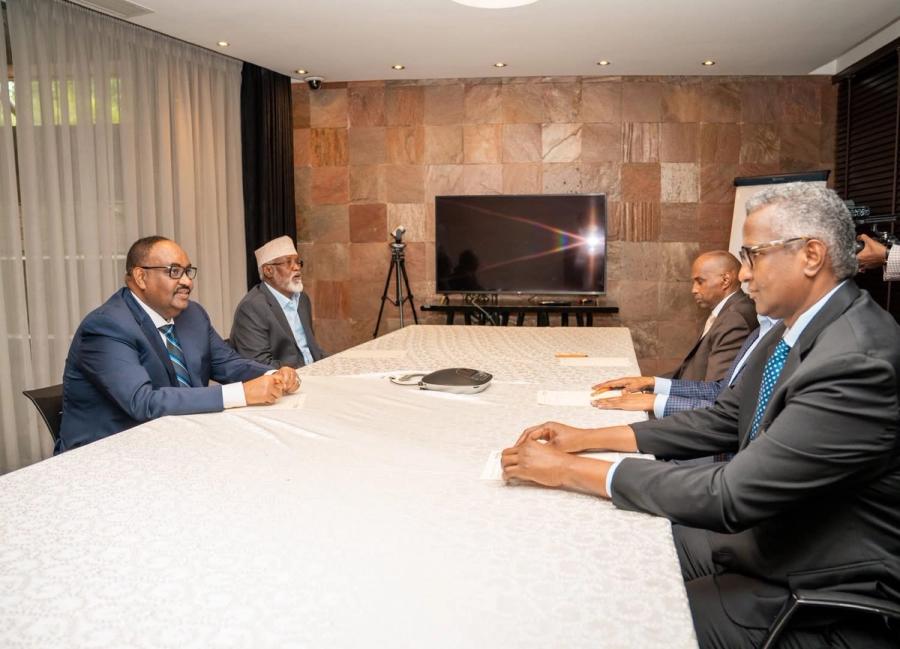
The Future Council shared the proposal with representatives of the Federal Government of Somalia and international partners involved in supporting Somalia’s political process.
The position of the federal government and other political stakeholders regarding the TDEM 2026 proposal has not yet been fully announced.
International partners have historically supported Somalia’s efforts to develop a credible electoral system, while also encouraging dialogue among Somali political actors to reach broad agreements on election arrangements.
The proposal is expected to be reviewed by political stakeholders, including the federal government, federal member states, and other groups involved in Somalia’s electoral discussions.
Further negotiations are likely to focus on whether the proposed model can gain sufficient political support, how electoral institutions would operate, and whether the six-month timeline would be achievable under Somalia’s security and administrative conditions.
The TDEM 2026 proposal represents a significant attempt to bridge the gap between Somalia’s current indirect electoral system and the long-term goal of direct elections. By combining public voting with continued use of the 4.5 formula, the model seeks to address concerns from both reform advocates and groups supporting the existing power-sharing arrangement.
If accepted by major political stakeholders, the proposal could reshape Somalia’s electoral process by introducing a larger role for voters while maintaining transitional safeguards. However, its implementation would depend on political agreement, institutional capacity, and security conditions across the country.