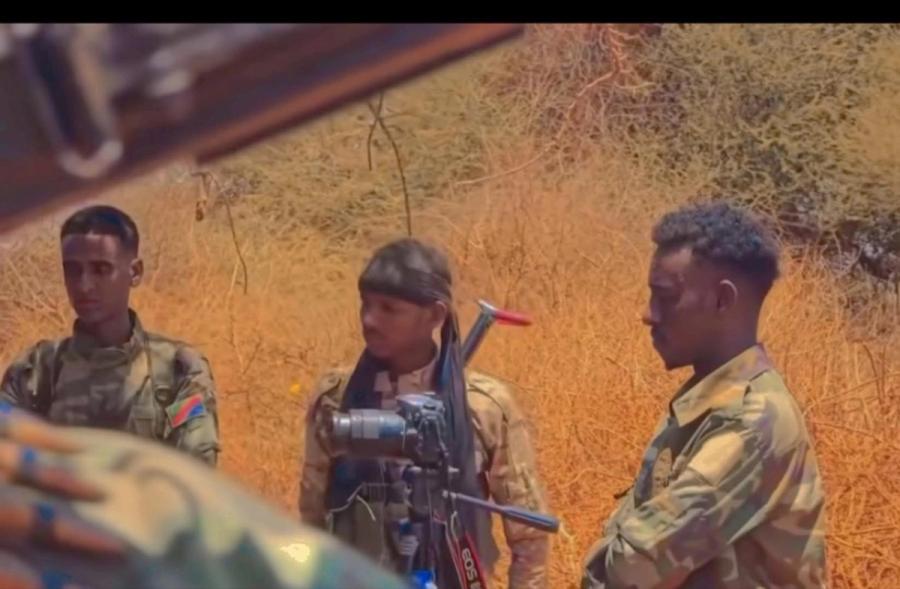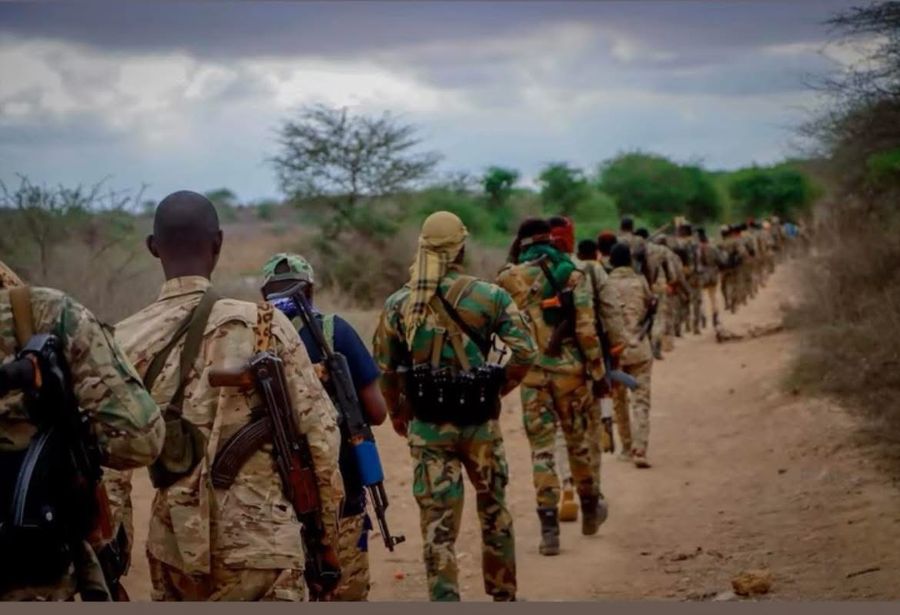
BAIDOA, Somalia, June 20, 2026 —Nearly 40 soldiers from the Somali National Army’s 9th Brigade have reportedly left their positions in Baidoa and headed toward Hudur in the Bakool region, in a development that comes amid escalating political and security tensions in South West State.
According to security sources and local officials, the soldiers had previously been deployed in Bakool before being transferred to Baidoa in recent months. Their reassignment was intended to reinforce security in the regional capital and support authorities aligned with the Federal Government of Somalia.
The soldiers’ departure comes as forces loyal to former South West State leader Abdiaziz Hassan Mohamed Lafta Gareen, were reportedly advancing toward the outskirts of Baidoa. The movement has raised fears of a potential escalation in the region’s political crisis, which has left rival administrations and competing security forces facing off amid an unresolved dispute over leadership and governance in South West State.
Security sources familiar with the matter said the soldiers left the military camps where they had been stationed in Baidoa and began traveling toward Hudur, the administrative capital of Bakool region. The circumstances surrounding their departure remain unclear, and federal authorities have not yet issued an official statement regarding the incident.
Local officials and residents reported increased security activity in and around Baidoa in recent days as additional security forces arrived in the region. Authorities have not publicly confirmed the purpose of the deployments, although political tensions between rival factions have continued to shape developments on the ground.
The movement of the soldiers has attracted attention because it comes at a sensitive moment for South West State, where competing political groups continue to dispute authority and governance arrangements.
According to regional political sources, concerns have grown among some military personnel over the possibility of being drawn into political confrontations between rival administrations operating in the region.
Political Standoff Continues
The latest development comes amid a prolonged political standoff in South West State.
One administration continues to operate from Baidoa with the backing of the Federal Government of Somalia. Meanwhile, another faction loyal to South West State President Abdiaziz Hassan Mohamed, commonly known as Lafta Gareen, remains positioned on the outskirts of the city following earlier confrontations and disagreements over political leadership and legitimacy.
The dispute has fueled uncertainty across parts of the region and has periodically raised fears of armed clashes involving security forces aligned with competing political actors.
Political analysts say tensions have remained unresolved despite repeated calls from community leaders, elders, and civil society groups for dialogue and a negotiated settlement.
Baidoa remains one of Somalia’s most strategically important cities and serves as the administrative center of South West State.
The city hosts key federal and regional institutions and plays a significant role in military operations against Al Shabaab across Bay, Bakool, and Lower Shabelle regions.
Residents in Baidoa reported heightened security measures around government facilities and major roads in recent days. While no major clashes were reported at the time of publication, local residents said the increased movement of troops has created anxiety among civilians.
According to community leaders, many residents are closely monitoring developments amid concerns that political tensions could undermine ongoing security operations against militant groups.
Political disagreements in South West State have intensified over the past several years, often centering on questions of leadership, electoral processes, and relations between federal and regional authorities.
Baidoa has witnessed several political crises since 2022, including disputes involving regional leaders, opposition groups, and security forces. Previous confrontations led to temporary instability and raised concerns about the potential fragmentation of security structures in the region.
The federal government and regional authorities have repeatedly emphasized the need for stability in South West State due to its strategic importance in ongoing military campaigns against Al Shabaab.
Military units operating in Bay and Bakool regions have played a central role in efforts to secure major population centers and maintain supply routes connecting southern Somalia.
Government Response
As of Sunday morning , neither the Federal Government of Somalia nor South West State authorities had publicly commented on reports of the soldiers’ departure from Baidoa.
Security officials contacted by local media declined to discuss operational matters but indicated that authorities were monitoring developments.
Observers say an official response may be required in the coming days to clarify the status of the soldiers and address growing speculation surrounding the incident.
The immediate focus remains on whether the soldiers will remain in Hudur or receive new orders from military commanders.
Attention is also centered on the continued deployment of security forces around Baidoa and whether political leaders can reduce tensions through dialogue.
Analysts warn that prolonged disagreements between rival political factions could complicate security operations and divert attention from broader efforts to stabilize South West State.
The reported departure of nearly 40 soldiers highlights the fragile relationship between politics and security in South West State. Any signs of division within security forces are likely to attract close scrutiny because of the region’s importance in Somalia’s broader stabilization efforts.
For civilians, continued uncertainty could increase concerns about security and governance. For political leaders, the incident underscores the challenge of maintaining cohesion among security institutions while managing unresolved political disputes.
The coming days are expected to be critical as authorities assess the situation and determine whether the movement of troops represents an isolated incident or a sign of deeper tensions within the region’s security landscape.