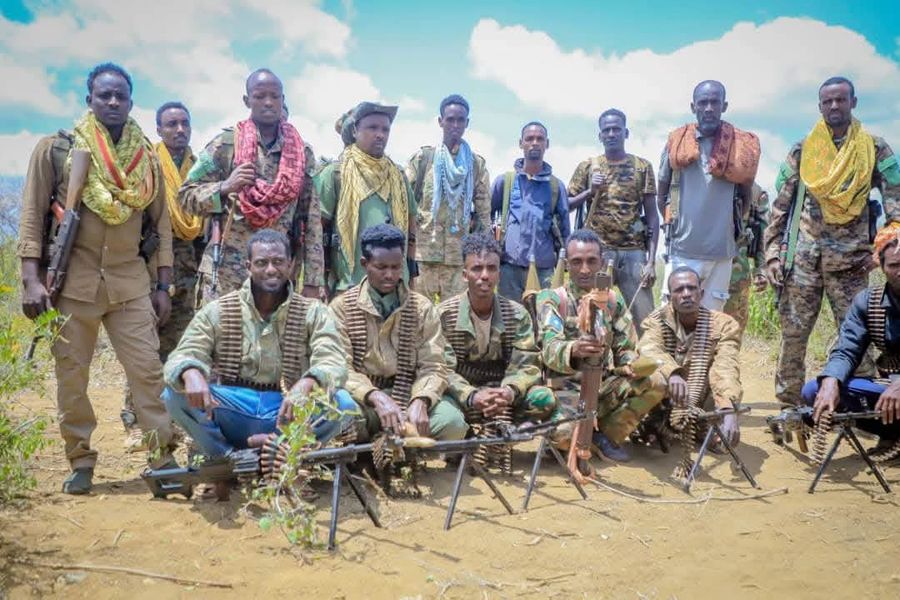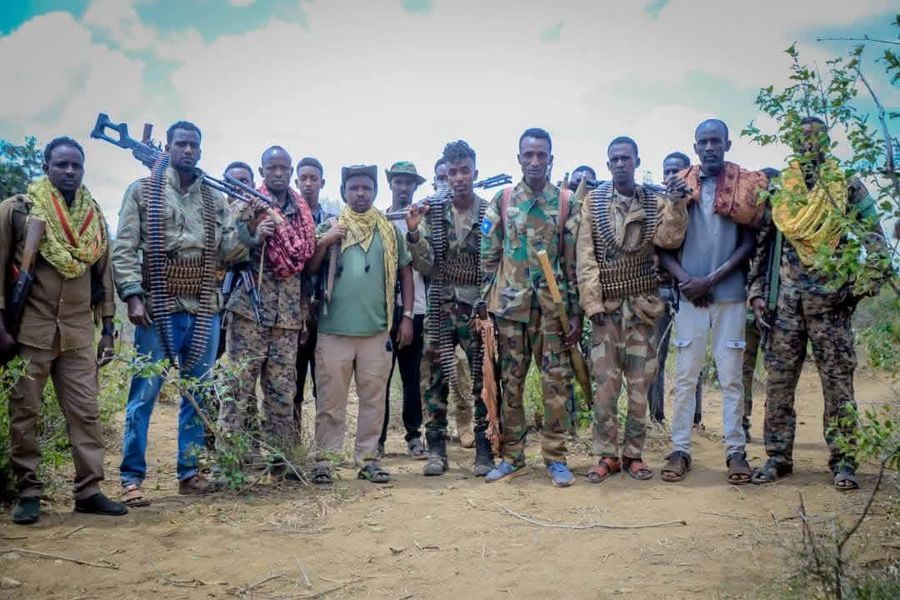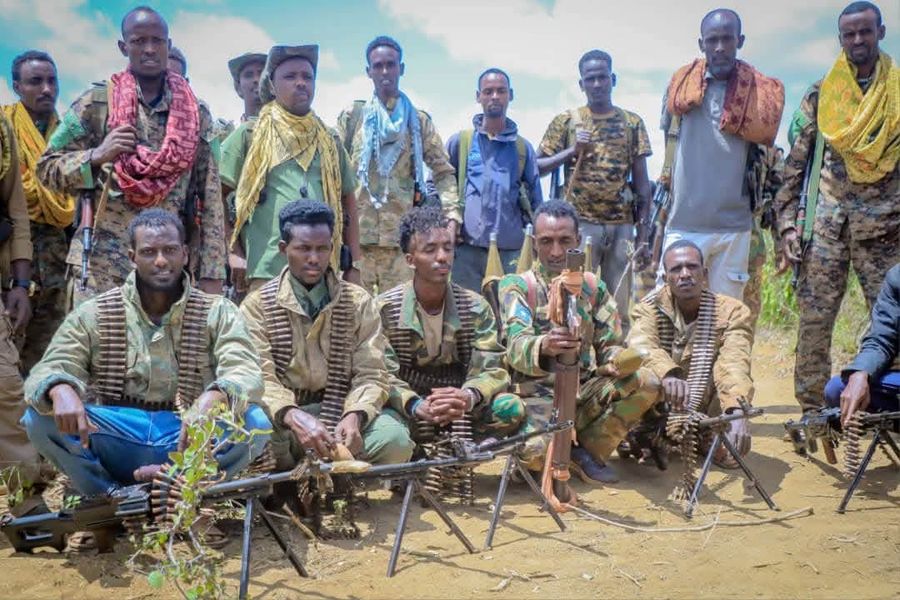
BAIDOA, Somalia — August 10, 2026 — A new contingent of troops has joined forces loyal to former South West State President Abdiaziz Hassan Mohamed Laftagareen on the outskirts of Baidoa, adding to tensions between his supporters and a rival administration in the city backed by Somalia’s Federal Government.
The latest forces reportedly travelled from Berdale district and joined Laftagareen-aligned units positioned outside Baidoa, the administrative capital of South West State.
Pro-Laftagareen South West State officials and military officers welcomed the contingent upon its arrival. The troops were led by Ali Mohamed Salad, according to officials aligned with the former regional president.
The deployment represents the latest sign of a widening political and security standoff in South West State, where competing authorities claim legitimacy amid a dispute over the Federal Government’s role in the region.
The newly arrived troops said they had left Baidoa because of dissatisfaction with the Federal Government’s handling of South West State affairs.
Members of the contingent accused authorities in Mogadishu of interfering in the region’s political administration and said they had joined Laftagareen’s forces to oppose what they described as political and security structures imposed by the Federal Government.
Some of the soldiers described their mission as an effort to “liberate” South West State from what they called forces brought in from Mogadishu. Those statements represent the position of the troops and Laftagareen-aligned officials and could not be independently verified.
There was no immediate indication that the arrival of the new contingent had triggered fighting around Baidoa.
The latest troop movement is significant because Laftagareen-aligned forces have been assembling outside Baidoa while the rival administration backed by the Federal Government maintains its presence inside the regional capital.
Rival Administrations in South West State
The political confrontation follows the removal of the South West State administration led by Laftagareen, a move his supporters describe as having been carried out forcibly by the Federal Government.
Since then, South West State has effectively faced competing claims of authority.
A Federal Government-backed administration operates from Baidoa, while Laftagareen and officials loyal to him have established themselves in areas outside the city. Both camps claim political legitimacy in the region.
Laftagareen’s supporters accuse Mogadishu of violating South West State’s political autonomy and imposing a regional leadership without sufficient local consent.
Federal authorities and their allies have rejected challenges to the political arrangement in Baidoa and maintain their own position on the legitimacy of the regional administration.
The competing claims have transformed what began as a political dispute into an increasingly sensitive security issue as armed personnel align themselves with the rival sides.
Growing Military Tensions Around Baidoa
The movement of troops from Berdale to Laftagareen-controlled positions could increase concerns about further military mobilization around Baidoa.
No major clashes linked to the latest deployment had been reported at the time of publication, and it remained unclear whether either side intended to launch military operations.
Baidoa is one of Somalia’s most important regional cities and has repeatedly played a central role in disputes involving federal and regional authorities.
Any armed confrontation around the city could have consequences beyond the immediate political dispute, particularly because South West State remains an important battleground in Somalia’s wider security campaign against Al-Shabaab.
A confrontation between forces aligned with rival political authorities could also complicate security coordination at a time when Somali forces continue to face threats from the militant group in parts of Bay, Bakool and Lower Shabelle.
Relations between Somalia’s Federal Government and Laftagareen’s political camp have deteriorated over competing claims concerning the leadership and future political direction of South West State.
Laftagareen’s supporters say the Federal Government removed his administration and replaced it with an authority aligned with Mogadishu. Federal Government supporters have challenged Laftagareen’s continued claim to regional leadership.
The resulting dispute has left South West State with two competing political centres: the Federal Government-backed authorities operating in Baidoa and the Laftagareen camp based outside the city.
The arrival of additional troops from Berdale suggests the dispute is no longer limited to political statements and competing claims of legitimacy. Armed forces are increasingly becoming part of the confrontation.
Attention is expected to focus on whether further troops join either side and whether Somali political leaders attempt to negotiate a settlement before the standoff develops into armed confrontation.
It also remains unclear whether the Federal Government will respond militarily or politically to the growing concentration of Laftagareen-aligned forces outside Baidoa.
Local political and community leaders could face increasing pressure to prevent fighting, particularly if additional armed units move toward positions held by either side.
Any negotiations would likely have to address the central dispute over who has legitimate authority to govern South West State and what role the Federal Government should play in determining the region’s political leadership.
The latest troop deployment raises the stakes in South West State because the political dispute is increasingly accompanied by armed mobilization. The presence of rival forces in and around Baidoa increases the risk that a confrontation, even if unintended, could turn a political crisis into a security conflict.
The standoff could also affect Somalia’s broader federal system. A prolonged confrontation between Mogadishu and a regional political camp would add pressure to already difficult relations between the Federal Government and some federal member state leaders over elections, constitutional authority and the division of political power.
Security is another concern. South West State contains areas where Al-Shabaab remains active, and a prolonged confrontation between rival government-aligned forces could divert personnel and resources from operations against the militant group.