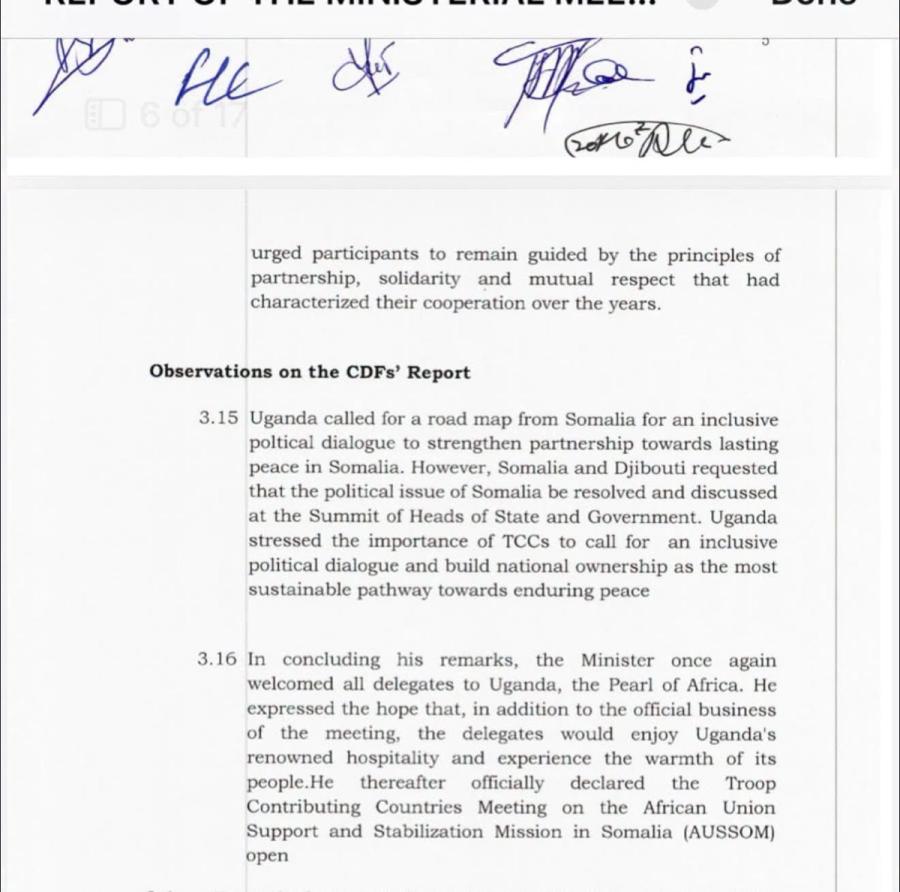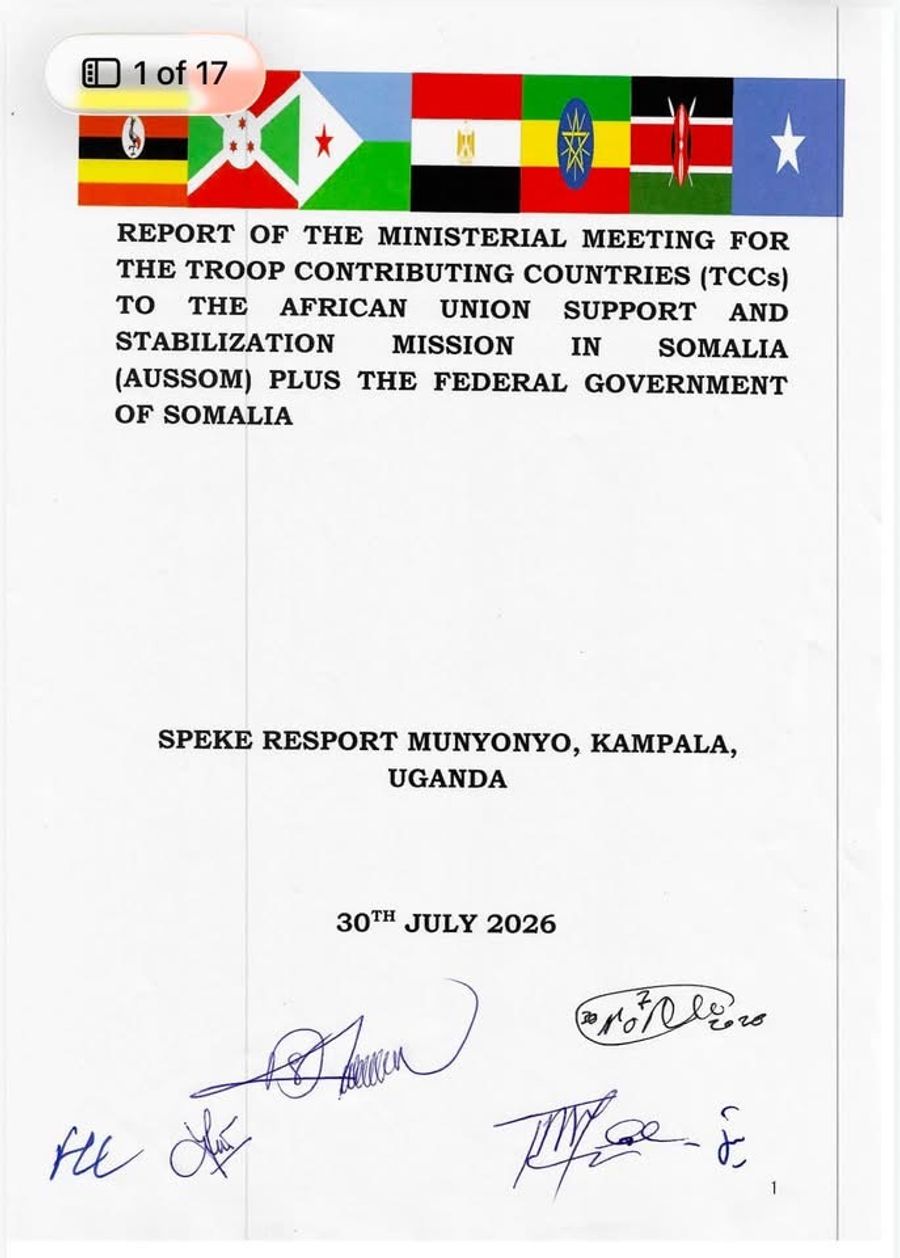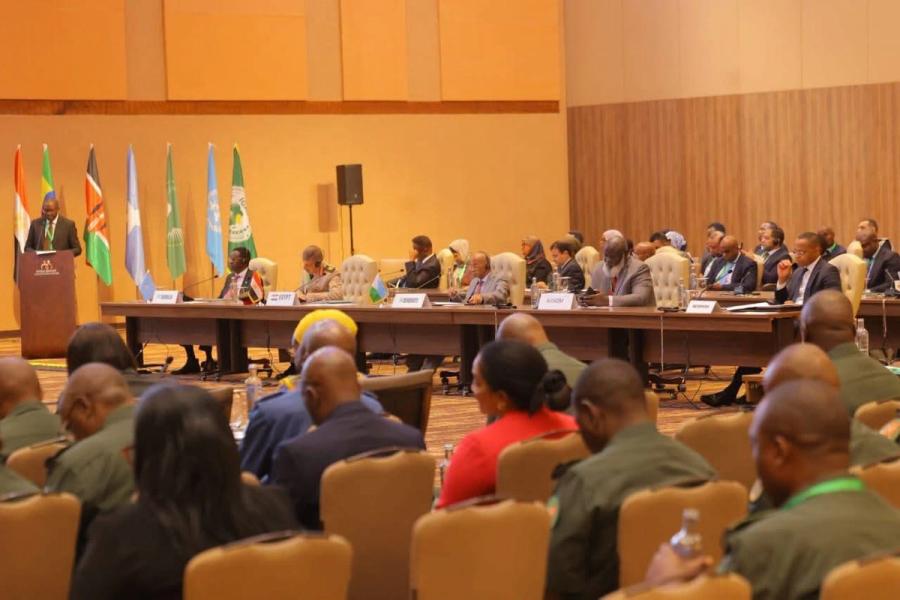
MOGADISHU, Somalia — July 31, 2026 —Uganda has reportedly called for the development of an inclusive political roadmap for Somalia, urging broader dialogue among Somali political stakeholders during a meeting of ministers from countries contributing troops to the regional security mission. According to sources familiar with the discussions, the proposal sparked differing views among participating states ahead of a summit of regional leaders.
According to diplomatic and regional sources, ministers representing countries contributing troops to Somalia’s security mission held extensive discussions on Thursday, with Somalia’s political situation emerging as one of the central issues.
Sources said Uganda, which hosts the meeting and remains the largest troop-contributing country, argued that military operations alone would not be sufficient to achieve lasting peace unless accompanied by an inclusive political process involving Somali stakeholders.
During the discussions, Uganda reportedly proposed the establishment of a comprehensive political roadmap aimed at promoting dialogue among Somalia’s political actors. The proposal, according to sources, emphasized strengthening national ownership, reducing political tensions, and creating conditions for long-term stability.
Officials familiar with the meeting said Uganda encouraged troop-contributing countries to support efforts that would promote inclusive political engagement between the Federal Government of Somalia and other Somali political stakeholders.
The proposal was presented as part of broader discussions on how political stability could reinforce ongoing security gains achieved through regional and international support.
Differing Positions Emerge
According to sources briefed on the meeting, Somalia’s Federal Government and Djibouti expressed a different view during the discussions.
Those sources said both sides argued that Somalia’s internal political differences should instead be addressed during the summit of heads of state scheduled to take place on Friday rather than being resolved at the ministerial level.
The summit is expected to bring together regional leaders to discuss Somalia’s security transition, regional cooperation, and the future of international support for the country’s stabilization efforts.
However, diplomatic sources noted that several heads of state were not expected to attend the summit, a factor that could affect the scope of political discussions.
Neither the Federal Government of Somalia nor Djibouti had publicly released detailed comments on the reported exchanges at the time of publication.
Focus on Political Consensus
According to officials familiar with the discussions, several participating countries stressed that political consensus remains an essential element in supporting security operations inside Somalia.
The officials said participants discussed the importance of complementing military efforts with political engagement to ensure that security gains are sustainable.
The meeting also reviewed broader cooperation among troop-contributing countries as regional forces continue supporting Somalia’s fight against Al-Shabaab while preparations continue for the gradual implementation of Somalia’s long-term security transition.
While details of the discussions have not been officially released, diplomatic sources described the political debate as one of the most significant topics addressed during the ministerial meeting.
The Federal Government of Somalia has not issued an official statement responding specifically to the reported proposal for a political roadmap.
Regional officials are expected to provide further updates following the conclusion of the heads of state summit, where security cooperation, political stability, and the future direction of regional support for Somalia are expected to feature prominently.
Somalia has experienced recurring political disagreements in recent years involving relations between the Federal Government, federal member states, opposition leaders, and other political stakeholders.
Regional partners and international organizations have repeatedly stated that sustainable security depends on progress in both military operations and political reconciliation.
Troop-contributing countries have continued supporting Somalia through successive African Union-led security missions while Somali security forces gradually assume greater responsibility for national security.
Diplomatic meetings involving troop-contributing countries frequently examine both operational military issues and broader political developments affecting Somalia’s stabilization process.
Regional leaders have consistently emphasized that cooperation between political institutions and security partners remains essential to maintaining progress against insurgent groups while advancing state-building efforts.
The reported discussions highlight the growing recognition among regional partners that political dialogue is closely linked to Somalia’s long-term security outlook. Military operations can improve security conditions, but many regional officials believe political consensus is necessary to preserve those gains.
The differing positions reported during the ministerial meeting also illustrate the challenges regional partners face in balancing respect for Somalia’s internal political processes with calls for broader political engagement. How these issues are addressed at the heads of state summit could influence future regional cooperation.
Any agreement on a political framework could affect cooperation between Somalia’s federal institutions, regional administrations, and international partners. Conversely, unresolved political disagreements may continue to complicate efforts aimed at strengthening governance and security coordination.