MOGADISHU, Somalia — July 14, 2026 —Uganda’s government has publicly acknowledged that its soldiers deployed in Somalia under the African Union Support and Stabilization Mission (AUSSOM) have gone for an extended period without receiving their salaries, with Prime Minister Robinah Nabbanja telling Parliament that Kampala is working with the African Union to resolve the payment delays and outstanding compensation claims.
The disclosure comes amid growing financial uncertainty surrounding AUSSOM, as participating countries continue to seek sustainable funding for the regional peace support mission operating in Somalia.
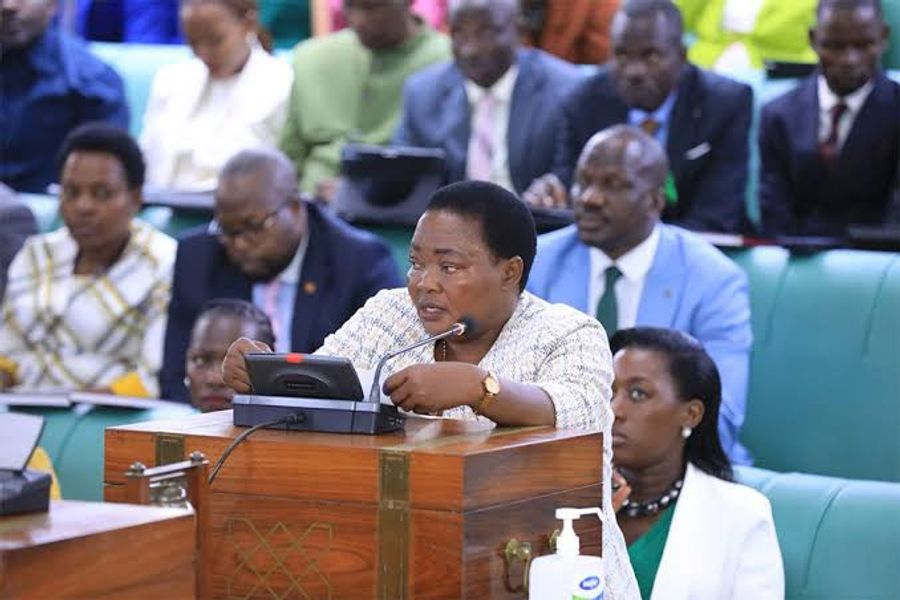
Speaking before Uganda’s Parliament last Thursday, Prime Minister Robinah Nabbanja said her government was aware of the prolonged salary delays affecting Ugandan troops serving in Somalia and had already engaged the African Union to address the issue.
According to Nabbanja, President Yoweri Museveni assigned her earlier this year to travel to Ethiopia for discussions with African Union officials regarding unpaid salaries and related benefits for Ugandan soldiers deployed under the regional mission.
“As you know, our soldiers had gone for a long time without receiving their salaries,” Nabbanja told lawmakers, adding that discussions with the African Union and international partners had since resulted in support aimed at addressing the outstanding payments.
Her remarks marked one of the clearest public acknowledgements by senior Ugandan officials regarding financial challenges affecting the country’s military personnel serving in Somalia.
Lawmakers Raise Concerns Over Unpaid Troops
The issue was brought before Parliament by Gilbert Olanya, the Member of Parliament representing Kilak South County, who questioned the government’s handling of salaries and compensation for Ugandan soldiers deployed in Somalia.
Olanya expressed concern that numerous troops had returned home after serving in Somalia without receiving their financial entitlements, while families of soldiers killed during operations had yet to receive compensation.
According to the lawmaker, some soldiers completed their deployments and returned to Uganda without being paid, while others lost their lives during operations against armed groups in Somalia.
He urged the government to explain its plans for settling unpaid salaries and compensating affected families.
Responding to the parliamentary questions, Nabbanja said the Ugandan government had begun verifying outstanding payments and compensation claims to ensure affected personnel and families receive what they are owed.
She also requested lawmakers to submit the names of soldiers believed to have died during operations in Somalia whose families may still be awaiting compensation.
“I would like to receive the names of those affected, especially those who died while serving in Somalia, so that the compensation process can be handled correctly,” she told Parliament.
The Prime Minister added that cooperation with the African Union and what she described as international partners had improved efforts to resolve the financial challenges.
Background to Uganda’s Military Deployment in Somalia
Uganda was the first country to deploy troops to Somalia under the African Union peace support mission in 2007 as part of the African Union Mission in Somalia (AMISOM), which later transitioned into the African Union Transition Mission in Somalia (ATMIS).
In January 2025, ATMIS formally transitioned into AUSSOM, a new African Union-led mission mandated to support Somalia’s security institutions, protect key infrastructure, and assist Somali security forces in combating Al-Shabaab while gradually transferring security responsibilities to Somali authorities.
Ugandan troops have remained among the largest troop contributors throughout the various phases of the African Union mission.
Over nearly two decades, thousands of Ugandan soldiers have served in Somalia, participating in operations against Al-Shabaab alongside Somali security forces and troops from other African Union member states.
Funding Challenges Facing AUSSOM
The salary concerns emerge as AUSSOM faces increasing financial pressure.
Funding for African Union peace support missions has long depended on contributions from international partners, including the European Union, the United Nations, the United States, and other donors.
Recent discussions among international partners have focused on creating more predictable and sustainable financing for AUSSOM as Somalia continues efforts to strengthen its own security institutions.
The financial uncertainty has prompted concerns among troop-contributing countries over the continuity of salary payments, operational support, and logistical assistance.
Ugandan officials indicated that discussions with the African Union were intended to address those challenges while ensuring deployed personnel receive their entitled benefits.
Uganda says it will continue coordinating with the African Union and international partners to finalize outstanding salary payments and compensation claims.
The government has not announced a timeline for when all unpaid salaries or compensation cases will be completed.
Parliament is expected to continue monitoring the matter as lawmakers seek further updates on the status of affected soldiers and their families.
The issue also comes as AUSSOM continues operating in Somalia amid ongoing security operations against Al-Shabaab and wider discussions over the mission’s long-term financing.
The acknowledgement by Uganda’s government highlights the financial pressures facing countries contributing troops to AUSSOM. Delays in salaries and compensation can affect troop welfare, morale, and confidence among military personnel serving in high-risk operations.
The issue also underscores broader concerns about the sustainability of international funding for African Union peace support missions. As donor support evolves, troop-contributing countries are seeking greater certainty over financing to maintain operational effectiveness.
For Somalia, the financial stability of AUSSOM remains significant because the mission continues to support Somali security forces in counterinsurgency operations and the gradual transfer of security responsibilities to national institutions.