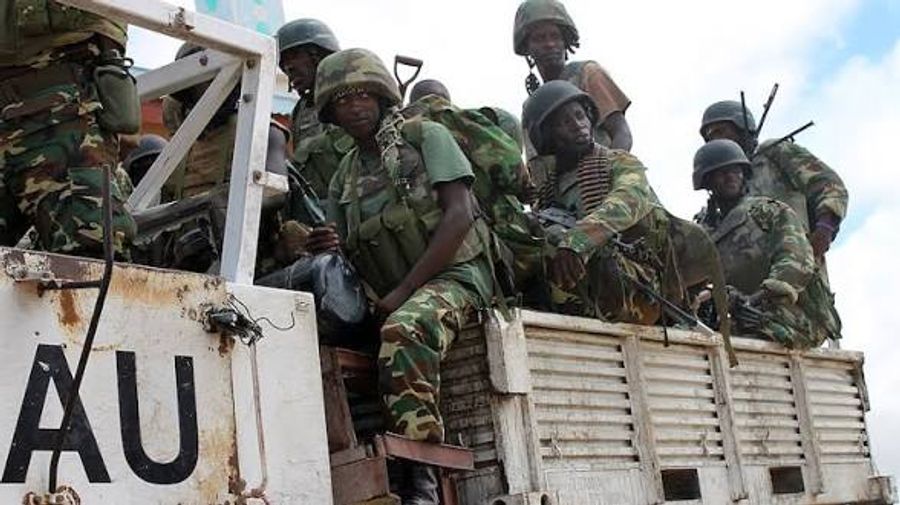
MOGADISHU, Somalia — August 9, 2026 — Somalia’s federal government and countries contributing troops to the international security mission are intensifying efforts to secure alternative financing as anticipated U.S. support changes approach a December deadline, but diplomatic sources say Western governments are resisting attempts to replace Washington’s contribution through United Nations support mechanisms.
Somali officials have been seeking countries willing to help cover funding and military-support gaps expected to emerge as U.S. assistance changes, according to sources familiar with discussions between the Federal Government of Somalia and international partners.
The funding issue has become increasingly urgent as Mogadishu argues that foreign forces remain necessary to contain Al-Shabaab while Somali security institutions continue assuming greater responsibility for national security.
However, diplomatic sources familiar with the discussions said some Western governments oppose creating a replacement mechanism that would effectively transfer the U.S. financial burden to other international donors.
One Western ambassador recently warned that attempts to seek additional support through the United Nations Support Office in Somalia, or UNSOS, to compensate for the anticipated U.S. funding gap could face opposition at the United Nations Security Council, according to a source briefed on the diplomat’s remarks.
The diplomat was also reported to have argued that Somalia should focus instead on reaching a broader political agreement and developing greater security self-reliance rather than seeking another international donor to assume Washington’s financial role.
The identity of the ambassador was not disclosed, and the reported comments could not be independently verified. Western governments have not publicly announced a unified position rejecting all alternative financing for Somalia’s security arrangements.
Somalia Searches for Alternative Funding
The Federal Government and leaders of countries contributing forces to Somalia have been holding discussions aimed at identifying governments or institutions capable of providing additional financial support.
So far, however, Somali officials have not secured a firm and sustainable commitment capable of fully replacing the expected funding shortfall, according to sources familiar with the discussions.
The uncertainty could have consequences for the African Union Support and Stabilization Mission in Somalia, AUSSOM, particularly if troop-contributing countries conclude that deploying forces is financially unsustainable without predictable international support.
Funding has long been one of the central challenges facing international security operations in Somalia. African troop-contributing countries have repeatedly called for predictable and sustainable financing, warning that uncertainty over resources could undermine operations against Al-Shabaab.
The issue has also exposed differences between Mogadishu and some of its international partners over how quickly Somalia should assume full responsibility for its security.
Villa Somalia Seeks 24-Month Transition
Villa Somalia’s position is that foreign forces cannot yet be withdrawn without potentially creating security gaps, according to officials familiar with the government’s approach.
The federal government wants security responsibilities transferred carefully over the next 24 months, giving Somali forces another two years to strengthen their capacity while international military and financial assistance continues.
Mogadishu argues that an abrupt reduction in foreign military support could put pressure on Somali forces already fighting Al-Shabaab across several regions.
Western partners, however, have increasingly emphasized the need for Somalia to build security institutions capable of operating with less dependence on external military and financial assistance.
According to sources familiar with the current discussions, the disagreement is therefore not limited to finding money. It also concerns the timetable and conditions under which Somalia should move toward greater responsibility for financing and managing its own security.
Political Agreement Emerges as Part of Funding Debate
The financing dispute comes as Somalia continues to face political disagreements between the Federal Government and some federal member states and opposition figures over elections, constitutional issues and the country’s political transition.
Some international partners have linked long-term stability to an inclusive political settlement, arguing that military assistance alone cannot resolve Somalia’s security challenges.
That position places additional pressure on Villa Somalia as it seeks continued international backing for security operations while also managing domestic political disputes.
Troop-contributing countries have separately expressed concern about the sustainability of their deployments if sufficient funding is not guaranteed.
The Federal Government and its partners must therefore determine not only how security operations will be financed after December, but also how quickly Somali forces can realistically take over responsibilities currently supported by international troops.
Somalia has relied heavily on international military assistance since the African Union first deployed a large-scale peace support mission in 2007. The mission evolved from AMISOM into ATMIS and later AUSSOM as international partners sought to gradually transfer security responsibilities to Somali forces.
The United States has remained one of Somalia’s most influential security partners, providing counterterrorism assistance, training and other forms of military support while conducting operations against Al-Shabaab.
Washington has also been an important financial and diplomatic actor in international efforts supporting Somalia’s security sector.
The United Nations, European partners, African governments and other donors have similarly provided substantial assistance to Somali security institutions and African Union operations.
Despite years of investment, Al-Shabaab remains capable of conducting major attacks and challenging government forces in parts of southern and central Somalia. That continuing threat has complicated efforts to establish a firm timetable for ending Somalia’s dependence on international troops.
Attention is expected to focus increasingly on diplomatic negotiations ahead of December as Somalia and troop-contributing countries seek clarity over future financing.
Any attempt to substantially expand or restructure UN-backed financing could require negotiations among members of the UN Security Council and other major donors.
Without a credible alternative funding arrangement, troop-contributing countries could face increased pressure over the cost of maintaining their forces in Somalia.