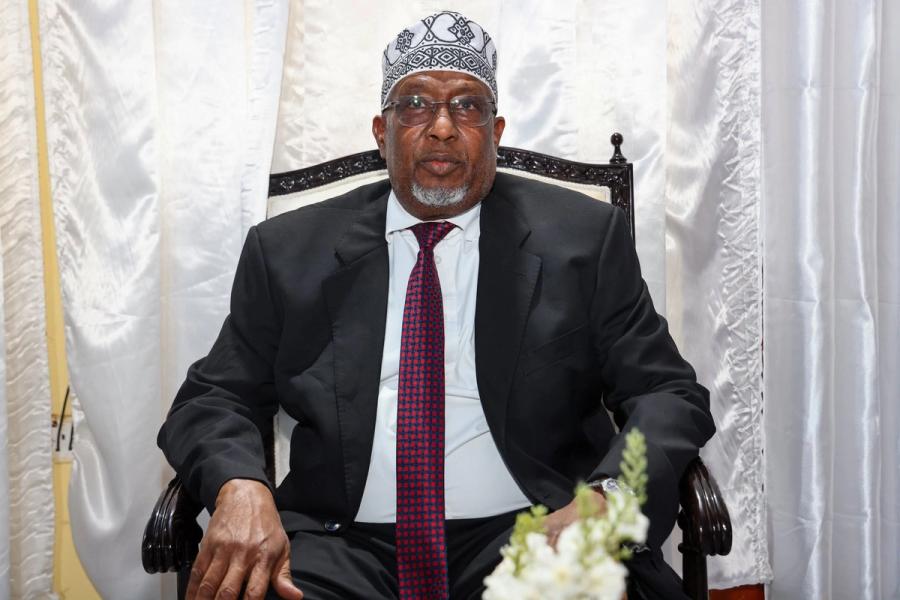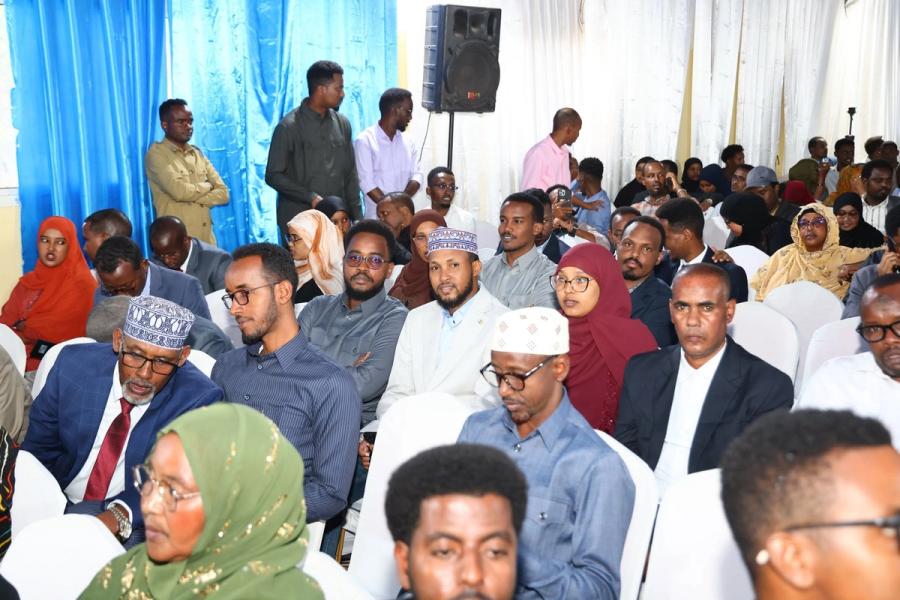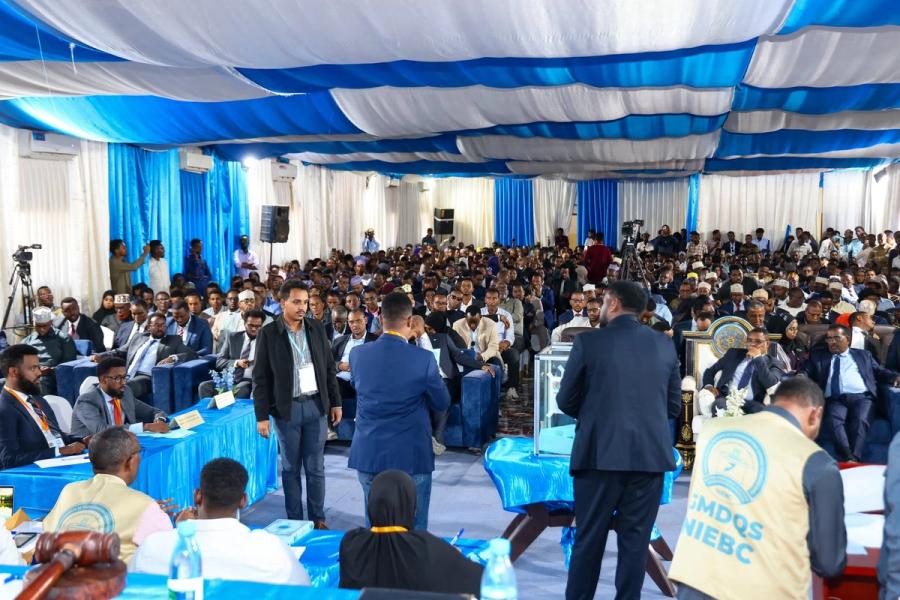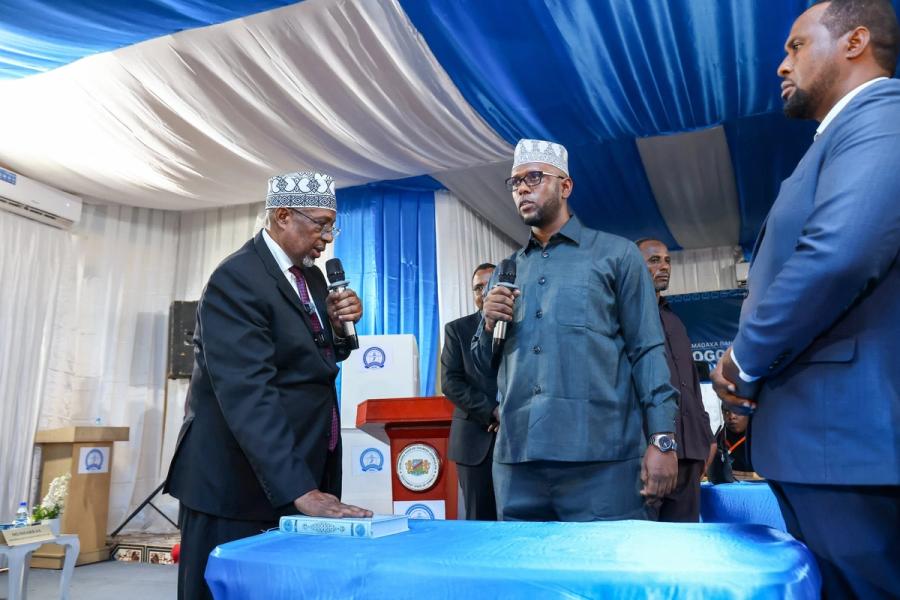
Saturday, June 13, 2026 (Baidoa Online) -South West State of Somalia stands at a critical political crossroads following the election of Adan Mohamed Nur (Adan Madobe) as president on June 10, 2026. While the newly elected leader has pledged to unite the state and restore stability, his victory remains disputed by opposition groups and rival political factions, raising questions about the legitimacy of the new administration and the future direction of one of Somalia's most strategically important federal member states.
Madobe's election followed months of political tensions between the Federal Government of Somalia and the former South West administration led by former President Abdiaziz Hassan Mohamed "Laftagareen." The political crisis intensified earlier this year when federal forces entered Baidoa and the regional administration underwent a dramatic political transition.
Although the Federal Government in Mogadishu welcomed Madobe's election and described it as a constitutional process, several opposition figures and political actors have questioned the outcome. Critics argue that the process lacked sufficient political consensus and local ownership, while supporters maintain that the election was necessary to restore governance and stability in the state.
Political reactions have extended beyond South West State itself. Opposition voices in Mogadishu, as well as political actors in Jubbaland and Puntland, have expressed concern about what they view as increasing federal involvement in regional affairs. Meanwhile, supporters of former President Laftagareen continue to challenge the new administration's legitimacy, underscoring the deep political divisions that remain within the state.
The controversy surrounding the election comes at a particularly sensitive time. South West State continues to face serious security threats from Al-Shabaab, recurring humanitarian challenges, economic hardship, and governance pressures. Many analysts warn that prolonged political instability could further complicate efforts to address these issues.
The Central Question Facing the New President
The defining question of Adan Madobe's presidency is whether he can transform a disputed electoral victory into a broadly accepted political mandate.
Can he pursue genuine reconciliation and bring rival political factions together, or will his administration continue to be perceived as heavily reliant on the support of the Federal Government that helped facilitate the transition?
The answer may determine whether South West State moves toward greater stability or deeper political polarization.
Why the Election Remains Disputed
At the heart of the dispute is the issue of legitimacy.
Opposition groups argue that the political process was influenced by federal authorities and did not adequately include all stakeholders. As a result, some leaders continue to reject the outcome despite the formal completion of the electoral process.
Supporters of the new administration counter that the election followed legal and constitutional procedures and provided a pathway out of months of political uncertainty.
This disagreement has created two competing narratives: one viewing the election as a legitimate transition of power, and another portraying it as a politically managed process that requires further consultation and reconciliation.
The Broader Federalism Debate
The tensions surrounding South West State reflect a wider national debate over the future of Somalia's federal system.
Relations between Mogadishu and several federal member states have periodically been strained over issues such as constitutional authority, elections, resource-sharing, and security responsibilities. For many observers, the dispute in South West State is not only about a regional election but also about the balance of power between the federal government and regional administrations.
The outcome of this political struggle could influence future relations between Mogadishu and other federal member states.
Risks of a Prolonged Political Standoff
If political differences remain unresolved, South West State could face a range of challenges.
A divided political environment may weaken governance, slow development projects, complicate security coordination, and reduce public confidence in state institutions. Such instability could also distract leaders from addressing urgent issues affecting ordinary citizens, including insecurity, unemployment, drought, healthcare, and infrastructure development.
Political analysts warn that prolonged disputes could create opportunities for extremist groups to exploit divisions within the state.
Reconciliation as the Key Test
Many observers believe reconciliation will be the most important measure of Adan Madobe's leadership.
A successful reconciliation process would require meaningful engagement with opposition figures, traditional elders, civil society organizations, youth representatives, religious leaders, and other stakeholders across South West State.
Building political consensus will likely prove more important than electoral victory alone. Lasting stability depends not only on formal authority but also on public trust and broad acceptance.
The new president will also face growing pressure to demonstrate political independence and reassure critics that his administration serves the interests of South West State rather than any single political center. How he manages relations with Mogadishu while maintaining regional confidence may become one of the defining tests of his presidency.
What Happens Next?
The coming months will be crucial.
President Madobe is expected to face pressure to demonstrate political independence, strengthen state institutions, improve security, and focus on service delivery. His administration will also be closely watched for signs of outreach to political opponents and efforts to reduce tensions within the state.
For many residents, the priority is not political rivalry but effective governance. Citizens want improved security, economic opportunities, better public services, and solutions to the challenges affecting their daily lives.
Ultimately, Adan Madobe's success will be judged not by how he came to power, but by whether he can unite a divided state and deliver tangible results for its people.
As South West State enters a new political chapter, the challenge before its new president is clear: transform a disputed election into an opportunity for reconciliation, stability, and inclusive governance.
Whether that goal can be achieved remains one of the most important political questions facing South West State and Somalia today.
WILL THE NEW SOUTH WEST PRESIDENT PURSUE RECONCILIATION WITH HIS OPPONENTS AND DEMONSTRATE INDEPENDENT LEADERSHIP, OR REMAIN CLOSELY ALIGNED WITH MOGADISHU?
One of the central questions surrounding President Adan Madobe’s leadership is whether he will pursue meaningful reconciliation with his political opponents while also demonstrating independent decision-making in governing South West State. His ability to engage with rival factions, including those who rejected the outcome of the election, will be seen as a key test of his legitimacy and political maturity. At the same time, analysts say his relationship with the Federal Government in Mogadishu will remain under close scrutiny, with critics questioning whether his administration will act autonomously in regional decision-making or continue to align closely with federal political interests. How he balances reconciliation at home with political expectations from Mogadishu may ultimately define the stability and credibility of his presidency.